







In Short : India’s total installed energy capacity has increased by nearly 36% over the past five years, driven largely by rapid expansion in renewable energy sources such as solar and wind. The growth reflects the country’s strong commitment to clean energy, improved grid integration, and supportive policies aimed at accelerating the transition toward a sustainable, low-carbon energy future.
In Detail : India’s installed energy capacity has witnessed a remarkable rise of nearly 36% over the last five years, largely fueled by the accelerated addition of renewable energy sources. Solar, wind, and other clean energy projects have emerged as key drivers of this growth, reshaping the country’s power generation landscape.
The expansion in renewable capacity has been supported by favorable government policies, financial incentives, and large-scale tendering for solar and wind projects. These measures have helped attract private investments and strengthen India’s position as a global leader in clean energy deployment.
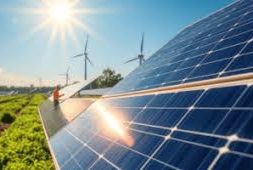
Solar energy has seen a particularly strong surge, with utility-scale projects and rooftop installations contributing significantly to overall capacity growth. Wind power has also expanded steadily, particularly in states with high wind potential, enhancing grid diversity and reliability.
The increase in renewable capacity has contributed to a reduction in India’s dependence on fossil fuels and helped diversify the energy mix. This shift supports national objectives for lowering carbon emissions and meeting international climate commitments.
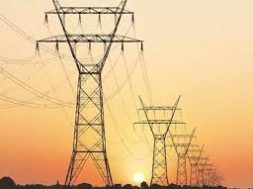
Grid modernization and improved transmission infrastructure have played a critical role in accommodating the growing share of intermittent renewable energy. Advanced technologies such as battery storage and hybrid systems are increasingly integrated to ensure reliable supply and grid stability.
Over the five-year period, energy efficiency improvements and strategic policy interventions have enhanced utilization of installed capacity, allowing the power system to meet rising electricity demand from residential, commercial, and industrial sectors.
The growth trajectory also highlights the importance of local manufacturing in solar modules, wind turbines, and associated equipment. Domestic production initiatives have supported cost competitiveness and long-term sustainability of renewable projects across India.
Looking ahead, India’s continued emphasis on renewables, energy storage, and grid flexibility is expected to drive further capacity expansion. The trend underscores the country’s commitment to a low-carbon, sustainable energy future while supporting economic growth and energy security.
