



In Short : India’s electricity demand increased in February as temperatures began rising earlier than usual, leading to higher consumption across residential and commercial sectors. Increased use of cooling appliances and expanding economic activity contributed to the surge. The trend highlights growing seasonal pressure on the power system and the need for adequate generation capacity and grid preparedness.
In Detail : India witnessed a rise in electricity demand during February as temperatures started increasing across several regions of the country. Warmer weather conditions led to higher electricity consumption, particularly in households and commercial establishments that began using cooling appliances earlier than usual. This seasonal shift reflects how closely electricity demand is linked to temperature variations and changing weather patterns.
The early rise in temperatures triggered increased use of air conditioners, fans, and refrigeration systems, which significantly boosted electricity consumption in urban areas. As cooling requirements increase, the residential sector becomes one of the largest contributors to electricity demand during warmer months. Even moderate temperature increases can lead to noticeable changes in national power consumption levels.
Industrial and commercial activities also played an important role in driving power demand during the month. Expanding manufacturing operations, growing commercial establishments, and increasing digital infrastructure require continuous electricity supply. These sectors add to the base demand for power, which becomes even more pronounced when seasonal factors such as heat waves begin to influence consumption patterns.
Power distribution companies and grid operators closely monitor such demand trends to ensure adequate electricity supply. Maintaining a balance between electricity generation and consumption is essential to prevent shortages or grid instability. Early indications of rising demand allow utilities to plan generation schedules and manage fuel availability more effectively.
Coal-based power plants continue to play a major role in meeting the rising electricity demand during such periods. Thermal power stations provide dependable baseload electricity that supports the grid when consumption increases. Ensuring sufficient coal supply and maintaining operational readiness of these plants remain key priorities for power producers.
Renewable energy sources are also contributing to the electricity supply mix during periods of rising demand. Solar power generation increases during sunny days and helps meet daytime electricity needs. The growing share of renewable energy capacity in India’s power system is gradually supporting the country’s ability to manage higher demand levels.
However, the variability associated with renewable energy sources requires effective grid management strategies. Solar generation declines during evening hours when electricity demand often remains high. This creates the need for flexible power systems, energy storage solutions, and efficient grid balancing mechanisms.
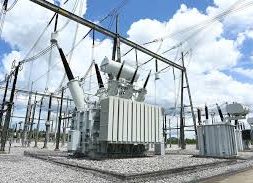
Rising power demand also highlights the importance of strengthening transmission and distribution infrastructure. A robust electricity network ensures that power generated in one region can be efficiently transmitted to areas experiencing higher demand. Investments in grid modernization and digital monitoring systems are becoming increasingly important for maintaining reliability.
Overall, the increase in electricity demand during February reflects broader trends in India’s evolving energy consumption patterns. Rising temperatures, expanding economic activity, and increasing use of electrical appliances are all contributing to higher power requirements. Ensuring adequate generation capacity, reliable grid infrastructure, and diversified energy sources will remain essential to meeting India’s growing electricity needs.