Saatvik Expands into Energy Storage with Ambitious 20 GW Capacity Target – EQ







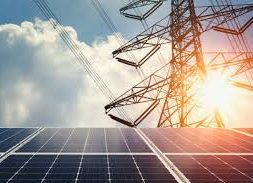
In Short : Saatvik has announced its entry into the energy storage market with a long-term goal of building 20 GW capacity within the next five years. The move reflects the growing importance of storage solutions in supporting renewable energy expansion. By integrating storage technologies with clean power generation, the company aims to strengthen grid stability and accelerate India’s transition toward reliable renewable energy.
In Detail : Saatvik has announced its strategic entry into the energy storage sector, marking an important step in its expansion within the renewable energy industry. The company aims to develop up to 20 GW of energy storage capacity over the next five years, positioning itself as a significant player in one of the fastest-growing segments of the power sector. This move reflects the increasing role of storage technologies in modern electricity systems.
Energy storage has become a critical component in supporting the growth of renewable energy sources such as solar and wind power. Since these energy sources are dependent on weather conditions and time of day, their electricity generation can fluctuate significantly. Storage systems help address this challenge by capturing excess energy and releasing it when demand is higher or renewable generation declines.
The company’s decision to enter the storage market aligns with the broader transformation taking place in the global energy landscape. As countries move toward cleaner energy systems, the ability to store electricity efficiently and deploy it when needed is becoming essential for maintaining grid reliability and stability. Energy storage solutions therefore play a key role in ensuring a balanced and resilient power infrastructure.
Saatvik’s target of achieving 20 GW of storage capacity within five years reflects the scale of opportunity in the sector. Rapid expansion of renewable energy projects across India has created a growing need for advanced storage systems that can manage variable electricity generation and support peak demand requirements. By investing early in this segment, the company aims to strengthen its position in the evolving energy market.
Battery energy storage systems are expected to be a major component of this strategy. These systems store electricity generated during periods of high renewable output, such as midday solar production, and release it during evening peak demand hours. This capability helps smooth fluctuations in supply and reduces pressure on conventional power plants.
The expansion into energy storage also complements the company’s existing presence in the solar manufacturing and renewable energy ecosystem. Integrating solar generation with storage solutions allows energy providers to deliver more reliable and dispatchable renewable power. This combination is increasingly important as utilities seek round-the-clock clean electricity solutions.
Developing large-scale storage capacity requires advanced technology, infrastructure, and effective grid integration. Companies entering this sector must focus on efficient battery management systems, strong project planning, and close coordination with power utilities and grid operators. Successful deployment of storage projects can significantly improve overall power system performance.
The growth of energy storage also supports national energy transition goals by enabling higher penetration of renewable energy. By balancing supply and demand more effectively, storage technologies help reduce dependence on fossil-fuel-based backup power generation. This contributes to cleaner electricity production and improved environmental outcomes.
Overall, Saatvik’s entry into the energy storage market reflects the increasing importance of integrated energy solutions in the modern power sector. With an ambitious target of developing 20 GW of capacity over the next five years, the company aims to contribute to the development of a more stable, flexible, and sustainable electricity system while supporting the continued expansion of renewable energy in India.