



Soaring Temperatures Drive Surge in Home Power Use, Experts Call for Urgent Efficiency Measures – EQ





In Short : Residential power consumption in India is rising by 10% annually, driven by intensifying heatwaves and increased use of air conditioners. In 2024, households used 31% of total electricity. Experts warn that unchecked demand could strain the grid, urging energy efficiency, smart cooling technologies, and policy reforms to manage peak loads and meet future climate goals.
In Detail : Residential electricity consumption in India has been increasing at an annual rate of 10% over the past three years. Experts attribute this sharp rise to growing urbanisation, population expansion, and the intensifying frequency and duration of heatwaves across the country.
In 2024, the residential sector accounted for 31% of India’s total electricity use. The surge in power demand is largely driven by the widespread adoption of air conditioners, whose sales grew by nearly 40–50% during the scorching summer months.
Between April and June 2024, electricity demand rose by over 10% year-on-year, with cooling requirements alone contributing to nearly a third of the increase. The growing need for thermal comfort during peak summer is placing mounting pressure on the national grid.
Regions such as Delhi, Punjab, Haryana, and Rajasthan witnessed the highest peak demand, with a direct correlation between rising temperatures and electricity consumption. Experts note that every degree Celsius rise above 24°C can lead to a 2% increase in power usage.
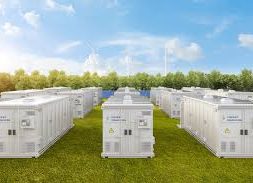
This trend underscores the urgent need for energy-efficient technologies and policies. Experts recommend adopting efficient cooling systems, implementing demand-side management, and developing hybrid renewable-storage projects to manage growing load and reduce environmental impact.
Without timely intervention, residential air conditioning alone could add 120 GW to peak electricity demand by 2030. Policymakers are urged to enforce stricter efficiency standards, promote passive cooling methods, and deploy smart demand-response programs to ensure a sustainable and reliable power system.
