Sunsure Energizes Uttar Pradesh with 82.5 MW Group Captive Solar Project, Targets 500 MW by 2026 – EQ


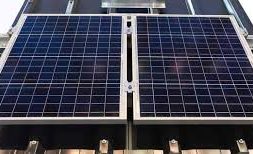

In Short : Sunsure Energy has commissioned an 82.5 MW group captive solar project in Erach, Jhansi, Uttar Pradesh, its 10th in the state. The plant will generate 12.8 crore units of green power annually, supplying major clients like Haldiram’s, APL Apollo, and a leading data center. Sunsure now nears 300 MW capacity in UP, targeting 500 MW by FY 2026.
In Detail : Sunsure Energy has commissioned an 82.5 MW group captive solar project in Erach, Jhansi district of Uttar Pradesh, strengthening its presence in the state’s renewable energy sector. This is the company’s 10th open access solar project in Uttar Pradesh and marks another milestone in Sunsure’s mission to accelerate clean energy adoption among industrial and commercial consumers.
The project will generate nearly 12.8 crore units of renewable electricity every year. This clean energy output will significantly reduce carbon emissions and help offset dependence on conventional fossil fuels. By supplying reliable green power, the project contributes to both environmental sustainability and the long-term energy security of industries operating in the region.
A wide range of industrial and commercial clients are expected to benefit from this new facility. Leading names like Haldiram’s, APL Apollo, and a major data center are among the project’s consumers. By sourcing solar power through the group captive model, these companies gain cost savings, predictable energy tariffs, and enhanced sustainability credentials.
The new commissioning pushes Sunsure’s operational open access solar capacity in Uttar Pradesh close to 300 MW. Projects are already spread across key districts including Agra, Banda, Mahoba, Jhansi, and Chitrakoot. With this latest addition, Sunsure continues to reinforce its position as a leading renewable energy developer in the state.
Looking ahead, Sunsure has set an ambitious target to achieve 500 MW of operational open access solar projects in Uttar Pradesh by the end of FY 2026. Such capacity expansion will further drive renewable penetration in the state, creating opportunities for industries to transition to cleaner energy sources while also strengthening Sunsure’s portfolio.
The favorable policy environment in Uttar Pradesh has been a major enabler for such projects. Waivers on electricity duty, transmission charges, and wheeling charges have created an attractive landscape for renewable developers and consumers alike. Sunsure has capitalized on these incentives to deliver cost-effective solar power solutions for large-scale users.
Group captive projects like this one are particularly attractive to industrial consumers. They allow companies to jointly invest and source electricity, ensuring both energy cost optimization and compliance with renewable purchase obligations. Sunsure’s latest commissioning shows how this model can be scaled to meet the growing energy needs of multiple industries simultaneously.
For Uttar Pradesh, the addition of such projects plays an important role in meeting the state’s renewable energy goals. Increasing industrial adoption of solar power helps reduce grid stress, cuts emissions, and supports the broader national commitment to clean energy targets. Sunsure’s projects demonstrate how private players can contribute meaningfully to these objectives.
Sunsure’s continued growth underscores the rising demand for open access solar solutions across India. By combining strong project development expertise, strategic consumer partnerships, and favorable policies, the company has created a robust foundation for expansion. The 82.5 MW project in Jhansi highlights Sunsure’s role as a catalyst in India’s ongoing renewable energy transformation.