


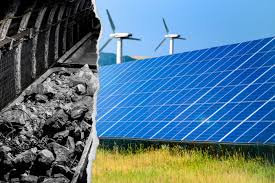




In Short : Renewable energy is increasingly replacing coal as the preferred power source due to lower costs, rising investments, and supportive government policies. Its rapid growth shows strong momentum, but long-term success will depend on strengthening grid infrastructure, expanding energy storage, and ensuring regulatory stability. With continued advances, renewables can maintain their lead and further push coal out of the energy mix.
In Detail : Renewable energy is steadily transforming the global power landscape as cleaner technologies gain ground over coal. The rapid expansion of solar, wind, and hybrid systems has created new confidence among developers and policymakers. Lower generation costs and improved efficiency are making renewables more competitive than ever before. Coal, once considered indispensable, is gradually losing its dominance. This shift reflects changing energy priorities worldwide. Nations now seek sustainable growth over short-term dependence on fossil fuels.
The rising investment in green power is further accelerating this transition. Private players are expanding portfolios to include more solar parks, wind farms, and storage-linked projects. Financial institutions are increasingly favoring low-carbon ventures over coal-based infrastructure. This capital movement strengthens the long-term viability of clean energy. Government-backed schemes also enhance market stability. These combined factors contribute to renewables gaining a stronger foothold.
Technological advancements continue to widen the gap between fossil fuels and clean energy. Modern turbines, bifacial solar modules, and digital monitoring tools enhance both performance and reliability. Storage technologies such as batteries and pumped hydro are adding vital flexibility. With improved forecasting and grid automation, renewable systems are becoming more predictable. These innovations reinforce trust among consumers and utilities. The overall ecosystem is moving toward smarter energy solutions.
Meanwhile, coal faces mounting challenges in maintaining relevance. Aging thermal plants require costly upgrades to meet emission norms. Environmental concerns and global climate commitments further restrict coal expansion. Public sentiment is shifting towards cleaner, healthier alternatives. Operational costs are rising due to fuel imports and supply uncertainties. This makes coal less attractive compared to rapidly growing green energy options.
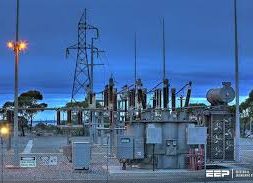
Despite the momentum, renewable energy must overcome several structural challenges. Grid congestion remains a critical concern as installations multiply. Many regions lack robust transmission networks to absorb variable renewable output. Planning delays often slow the commissioning of new infrastructure. Without coordinated efforts, the pace of renewable adoption may weaken. Strengthening the backbone of the power system is essential for long-term sustainability.
Energy storage will play a decisive role in sustaining growth. As renewable penetration increases, balancing supply and demand becomes more complex. Battery systems, pumped storage, and hybrid solutions offer practical pathways. They help stabilize the grid during peak fluctuations. Investments in storage will enable round-the-clock renewable power. This ensures reliability without relying heavily on coal-based backup.
Policy consistency is another key pillar supporting renewable expansion. Investors require clarity on tariffs, incentives, and long-term procurement plans. Frequent regulatory changes can slow down new projects. States must align their energy strategies with national climate goals. A predictable policy environment builds confidence among all stakeholders. Strong governance will determine how smoothly the transition unfolds.
The transition also depends on improving manufacturing capacity within the clean energy sector. Domestic production of modules, inverters, and storage components will reduce reliance on imports. This promotes job creation and economic growth while enhancing energy independence. A stronger supply chain can accelerate project timelines. It also supports innovation in emerging technologies. Manufacturing strength will be a major driver of future progress.
Despite obstacles, the momentum toward renewable dominance remains unmistakable. With continued innovation, investment, and policy support, clean energy can fully overtake coal in the coming decades. The shift is not just an environmental necessity but an economic opportunity. Renewable energy is reshaping industries, creating new markets, and redefining power generation strategies. Coal may still exist for some time, but its influence is steadily diminishing. The future of energy is increasingly clean, flexible, and sustainable.
