
Union Budget 2026 Strengthens Renewable Push with Major Funding Boost and Strong Focus on Rooftop Solar – EQ









In Short : The Union Budget 2026 has raised renewable energy allocation to ₹32,914.7 crore, with ₹22,000 crore earmarked for the PM Surya Ghar scheme. The enhanced funding highlights the government’s commitment to accelerating clean energy adoption, expanding rooftop solar access, strengthening energy security, and supporting India’s transition toward a low-carbon, sustainable power ecosystem.
In Detail : The Union Budget 2026 has significantly increased the allocation for renewable energy to ₹32,914.7 crore, reflecting a strong policy emphasis on clean and sustainable power. This enhanced financial commitment signals the government’s intent to accelerate India’s energy transition and position renewables at the core of national development planning.
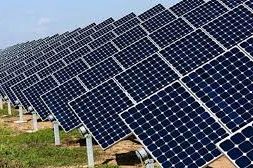
A major highlight of the budget is the allocation of ₹22,000 crore for the PM Surya Ghar scheme, which focuses on expanding rooftop solar adoption across households. The scheme aims to empower citizens by enabling them to generate their own electricity, reduce power bills, and contribute directly to the country’s clean energy goals.
The increased renewable energy funding is expected to support a wide range of projects, including solar, wind, hybrid systems, energy storage, and grid integration. These investments are crucial for meeting India’s growing electricity demand while maintaining a low-carbon growth trajectory.
Rooftop solar, in particular, is being positioned as a transformative tool for decentralised energy generation. By promoting distributed solar systems, the government seeks to reduce pressure on conventional power infrastructure and enhance resilience at the local level.
The budgetary push also aligns with India’s ambition to strengthen domestic manufacturing of renewable energy equipment. Higher funding can stimulate investments in solar modules, wind turbines, inverters, and battery technologies, thereby supporting industrial growth and technological self-reliance.
From an economic standpoint, the renewable energy sector continues to emerge as a major driver of job creation and innovation. Increased public investment is likely to attract private capital, expand employment opportunities, and encourage entrepreneurship across the clean energy value chain.
The enhanced allocation also supports India’s climate commitments by enabling faster reduction in greenhouse gas emissions. Scaling up renewables contributes directly to improving air quality, reducing dependence on fossil fuels, and promoting a healthier and more sustainable environment.
In addition, renewable energy investments strengthen energy security by diversifying power sources and reducing vulnerability to global fuel price volatility. Clean energy systems offer long-term stability and predictability in energy supply.
Overall, the Union Budget 2026 reinforces India’s strategic shift toward a renewable-driven energy future. With substantial funding for both large-scale projects and household-level initiatives like PM Surya Ghar, the budget lays a strong foundation for a cleaner, more resilient, and inclusive energy ecosystem.