







In Short : Uttar Pradesh recorded the highest rooftop solar installations in March with around 52,000 units added across the state. The surge reflects strong adoption among residential and commercial consumers. Expanding rooftop solar capacity is expected to reduce grid dependence, lower electricity costs, and accelerate distributed renewable energy growth while supporting national clean energy targets.
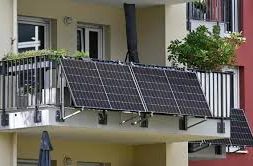
In Detail : Uttar Pradesh registered the highest number of rooftop solar installations in the country during March, with approximately 52,000 units deployed across residential, commercial, and institutional segments. The strong monthly performance highlights growing consumer interest in decentralized renewable energy solutions and reflects expanding adoption of rooftop solar systems across urban and semi-urban areas.
The surge in installations is driven by increasing awareness of cost savings and energy independence. Rooftop solar systems allow consumers to generate electricity on-site, reducing reliance on conventional grid supply. Lower electricity bills and predictable long-term energy costs are encouraging households and businesses to invest in solar rooftops.
Government support measures have also played an important role in accelerating adoption. Incentives, simplified approval processes, and net metering frameworks have made rooftop solar more accessible. These enabling policies help reduce upfront costs and encourage wider participation among consumers.
The expansion of rooftop solar contributes to strengthening distributed generation capacity. Unlike large utility-scale projects, rooftop installations generate electricity close to consumption points. This reduces transmission losses, improves grid efficiency, and supports localized energy resilience.
Residential consumers accounted for a significant share of the installations. Falling system prices and financing options have made rooftop solar more affordable for homeowners. Increased participation from households is helping scale distributed renewable energy adoption.
Commercial establishments are also adopting rooftop solar to manage operational energy costs. Businesses with large roof areas can generate substantial power and offset daytime consumption. This helps improve cost efficiency and supports sustainability commitments.
The growth in rooftop installations also supports grid stability by diversifying generation sources. Distributed solar reduces peak demand pressure and provides additional supply during daylight hours. This improves overall power system flexibility.
Rapid deployment of rooftop solar contributes to broader clean energy targets. Expanding distributed renewable capacity helps reduce reliance on fossil fuel-based generation and lowers emissions. The cumulative impact of thousands of small installations can be significant.
With around 52,000 rooftop solar units installed in March, Uttar Pradesh has emerged as the leading state for monthly additions. The strong adoption trend is expected to continue as consumers seek affordable, reliable, and sustainable energy solutions while accelerating the growth of decentralized solar power.
