


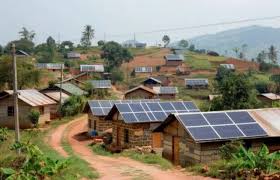
Visakhapatnam MP Emphasizes PM-Surya Ghar and PM-KUSUM Schemes for Reliable Power and Farmer Welfare – EQ





In Short : The Visakhapatnam Member of Parliament has highlighted the importance of the PM-Surya Ghar and PM-KUSUM schemes in improving electricity access and supporting farmers. The initiatives aim to expand rooftop solar adoption and promote solar-powered agricultural pumps. Together, these programs are expected to enhance power reliability, reduce energy costs, and strengthen sustainable farming practices.
In Detail : The Member of Parliament from Visakhapatnam has emphasized the importance of central government solar initiatives such as PM-Surya Ghar and PM-KUSUM in improving power quality and providing financial benefits to farmers. The MP highlighted these schemes as key tools in strengthening India’s renewable energy ecosystem while supporting rural communities.
PM-Surya Ghar is a flagship rooftop solar initiative designed to encourage households across the country to install solar panels on their rooftops. The scheme provides financial incentives and subsidies to make rooftop solar systems more affordable for residential consumers, helping them generate their own electricity and reduce dependence on grid power.
The PM-KUSUM scheme focuses primarily on the agricultural sector by promoting solar-powered irrigation pumps and decentralized solar power generation. It allows farmers to replace conventional diesel or grid-powered pumps with solar pumps, enabling them to irrigate fields using clean energy.
According to the Visakhapatnam MP, these initiatives not only improve energy access but also contribute to the long-term sustainability of agriculture. Solar-powered pumps reduce operational costs for farmers while ensuring reliable electricity for irrigation activities.
The schemes also support India’s broader renewable energy expansion goals by increasing distributed solar generation. Rooftop solar installations and decentralized solar projects help reduce transmission losses and improve energy efficiency within the power distribution network.
Another major benefit highlighted by the MP is the potential for farmers to generate additional income. Under certain components of the PM-KUSUM scheme, farmers can install small solar power plants on their land and sell surplus electricity to the grid, creating a new revenue stream.
The MP also pointed out that promoting solar energy in rural areas can reduce the financial burden on state electricity distribution companies. By encouraging decentralized generation and reducing agricultural power subsidies, these schemes help improve the financial health of the power sector.
Implementation of these programs requires coordination between central and state governments, power distribution companies, and renewable energy developers. Effective awareness campaigns and simplified procedures are essential to ensure that farmers and households fully benefit from the schemes.
Overall, the emphasis on PM-Surya Ghar and PM-KUSUM reflects the growing focus on renewable energy solutions for rural development. By combining clean energy generation with agricultural support, these initiatives are expected to improve electricity reliability, strengthen farmer incomes, and contribute to India’s sustainable energy future.
