


Wonder Cement to Source 30 MW Renewable Power from Sunsure Solar to Strengthen Green Energy Transition – EQ




In Short : Wonder Cement plans to procure 30 MW of renewable power from Sunsure Solar projects to reduce carbon emissions and energy costs. The agreement will support sustainable cement manufacturing and increase renewable energy usage in operations. The move aligns with industry decarbonization goals, enhances long-term power security, and demonstrates growing adoption of clean energy solutions in energy-intensive sectors.
In Detail : Wonder Cement has announced plans to procure 30 MW of renewable energy from solar projects developed by Sunsure Solar. The initiative reflects increasing adoption of clean power by energy-intensive industries seeking to reduce emissions and manage long-term electricity costs. The procurement will support greener manufacturing operations and improve sustainability performance.
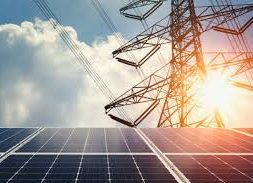
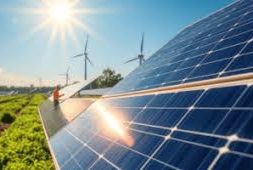
The renewable power supply is expected to be sourced from solar installations designed to deliver stable and cost-effective electricity. Cement manufacturing requires continuous energy supply, making renewable procurement through structured agreements an attractive option. Such arrangements help companies hedge against volatility in conventional power tariffs while improving operational efficiency.
Switching to renewable energy is particularly significant for the cement sector, which is among the most energy-intensive industries. Electricity consumption forms a major portion of operational costs, and integrating solar power helps reduce dependency on fossil fuel-based electricity. This transition also contributes to lowering the carbon footprint of production processes.
The 30 MW capacity is expected to supply a substantial portion of Wonder Cement’s power requirement across its facilities. Renewable sourcing at this scale enables companies to meet sustainability commitments while improving cost competitiveness. Long-term clean energy procurement also enhances resilience against fluctuations in fuel and grid power prices.
Solar-based power procurement models typically involve captive or group captive arrangements, allowing industrial consumers to directly benefit from renewable generation. These structures provide reliability, predictable tariffs, and regulatory advantages. The arrangement supports long-term planning for both energy supply and financial management.
The collaboration highlights the growing role of independent renewable developers in supplying power to commercial and industrial consumers. Companies like Sunsure Solar are increasingly building projects specifically for corporate buyers. This trend is accelerating renewable adoption across sectors such as cement, metals, chemicals, and manufacturing.
The move also supports broader sustainability goals within the construction materials industry. Demand for low-carbon cement is rising as infrastructure developers and builders prioritize environmentally responsible materials. Renewable energy integration is one of the key steps toward reducing lifecycle emissions in cement production.
Large-scale renewable procurement contributes to reducing grid load during peak periods and supports national clean energy targets. Industrial demand for green power encourages additional solar capacity development, creating a positive cycle of investment and adoption. This also strengthens renewable energy markets.
With the 30 MW solar procurement, Wonder Cement advances its clean energy transition while improving operational efficiency. The collaboration with Sunsure Solar is expected to deliver long-term environmental and economic benefits, reinforcing the role of renewable power in transforming energy-intensive industries toward sustainable manufacturing.


