


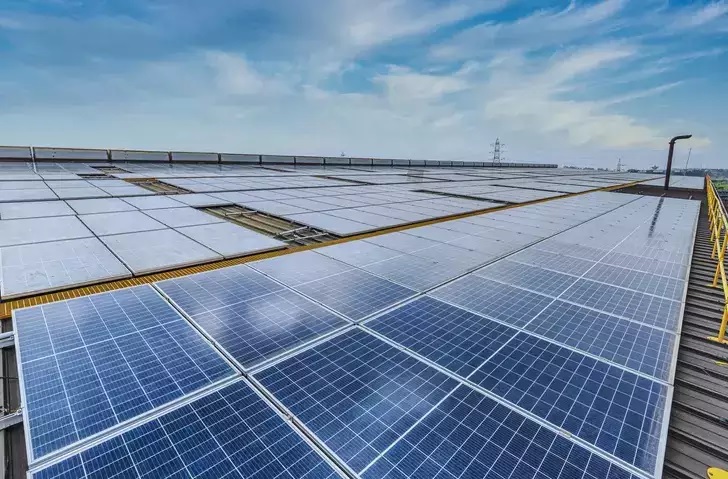
SAEL and PSPCL Forge 400 MW Solar Deal to Power Punjab’s Green Future – EQ





In Short : SAEL has signed a 400 MW solar power purchase agreement with PSPCL at a tariff of ₹2.97/kWh. The project is scheduled for commissioning within 24 months. This initiative will boost Punjab’s renewable energy capacity, lower carbon emissions, and support India’s clean energy targets while ensuring affordable and sustainable electricity supply for the state.
In Detail : SAEL has entered into a significant agreement with the Punjab State Power Corporation Limited (PSPCL) to supply 400 megawatts (MW) of solar power. The tariff has been fixed at ₹2.97 per kilowatt-hour (kWh), ensuring cost-effective clean energy for the state. This collaboration is a key milestone in advancing Punjab’s renewable energy infrastructure.
The project is expected to be commissioned within 24 months, with timelines in place to ensure timely completion. Once operational, it will contribute substantially to the region’s solar power generation capacity. SAEL’s expertise in solar development is expected to ensure high-quality execution of the project.
This agreement comes at a time when India is making significant strides in expanding its renewable energy portfolio. The move aligns with national goals to reduce dependence on fossil fuels and promote sustainable energy solutions. The 400 MW project will play a crucial role in meeting those objectives.
By locking in a tariff of ₹2.97/kWh, the agreement offers long-term cost stability for PSPCL. It also underscores the growing competitiveness of solar energy in India, where prices have steadily declined due to technological advancements and policy support.
For SAEL, the project adds to its expanding portfolio and strengthens its presence in the northern power market. It demonstrates the company’s continued focus on large-scale clean energy projects that meet both environmental and economic goals.
The partnership between SAEL and PSPCL reflects the broader momentum in India’s energy transition. With timely execution and effective collaboration, this project is poised to contribute meaningfully to a cleaner, more resilient power sector in Punjab and beyond.


