



Africa’s Untapped Solar Wealth: Unlocking the Path to a 300 GW Renewable Future – EQ






In Short : Africa, home to 60% of the world’s best solar resources, produces just 1.5% of global renewable capacity. Solar installations are projected to rise 42% in 2025, with 23 GW planned by 2028. Leaders aim for 300 GW by 2030, though financing gaps remain the biggest challenge to unlocking the continent’s vast renewable energy potential.
In Detail : Africa is often called the “Sun continent,” with nearly 60% of the world’s most favorable solar resources. Despite this enormous potential, the continent contributes only 1.5% of the global renewable energy capacity. This gap reflects the challenges in scaling up clean power infrastructure across diverse regions, even as energy demand continues to rise rapidly.
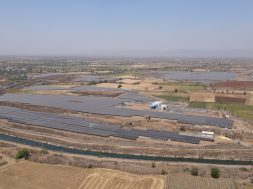
In recent years, solar energy projects have started to gain momentum. Large-scale plants such as South Africa’s KHI Solar One have demonstrated the continent’s ability to harness sunlight efficiently. Yet, adoption remains uneven, with some nations advancing faster than others. Limited infrastructure, financial constraints, and policy hurdles remain significant barriers to broader deployment.
The future outlook for Africa’s solar sector appears bright. Projections show installations could grow by 42% in 2025, driven by rising demand and supportive energy policies. Around 23 gigawatts of new solar photovoltaic capacity are planned through 2028, signaling a strong push to diversify the energy mix and reduce dependence on fossil fuels.
China’s role in Africa’s solar growth is becoming increasingly important. Imports of Chinese solar panels surged by nearly 60%, reflecting the continent’s appetite for affordable equipment. These imports are helping to reduce project costs, making solar energy more competitive and accessible for both utility-scale projects and smaller community-based installations.
Leaders across the continent have set ambitious targets for renewable energy expansion. By 2030, Africa aims to scale its renewable energy capacity to 300 gigawatts. If realized, this target could significantly boost energy security, reduce greenhouse gas emissions, and position the continent as a leader in clean energy innovation.
The International Renewable Energy Agency projects that by 2050, up to 90% of Africa’s electricity could come from renewables, with solar playing the dominant role. Such a transformation would not only meet domestic demand but could also allow Africa to emerge as a global exporter of clean energy.
Despite strong growth potential, financing remains one of the biggest challenges. Many African nations struggle to attract affordable investment for large-scale renewable projects. Without addressing financial bottlenecks, the continent risks falling short of its ambitious renewable energy goals, even with abundant natural resources available.
Policy support and regional cooperation will be key to overcoming these challenges. Improved regulations, stronger investor confidence, and cross-border energy trade could accelerate solar development. Governments are increasingly aware that renewable power is central to addressing energy poverty, creating jobs, and ensuring sustainable growth.
Ultimately, Africa stands at a crossroads in its energy journey. With unmatched solar resources and rising momentum in project development, the continent has a rare opportunity to leapfrog traditional fossil-based systems. The path forward will depend on strong investments, bold policies, and collective commitment to building a cleaner, brighter future powered by the sun.


