


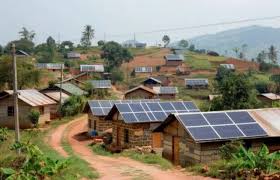





In Short : Telangana’s Model Solar Villages are emerging as national exemplars of renewable energy adoption, showcasing how decentralized solar power can transform rural communities. By combining rooftop and ground-mounted solar systems with energy-efficient solutions, these villages enhance electricity access, reduce carbon emissions, generate local employment, and demonstrate a scalable model for sustainable, inclusive, and climate-resilient rural development across India.
In Detail : Telangana’s Model Solar Villages are setting a benchmark for rural clean energy adoption, demonstrating how solar power can revolutionize energy access and community development. These villages integrate decentralized renewable systems with smart energy management, ensuring reliable electricity while reducing reliance on conventional power sources.
The initiative combines rooftop solar installations, ground-mounted panels, and solar-powered microgrids to meet the electricity needs of households, schools, and local enterprises. By generating clean power locally, these villages reduce transmission losses and strengthen energy resilience.
Beyond energy access, the solar villages promote sustainable livelihoods. Local communities are trained in solar panel installation, maintenance, and monitoring, creating employment opportunities while building technical capacity that benefits the broader renewable energy ecosystem.
The project also emphasizes environmental stewardship. By replacing fossil-fuel-based electricity with solar energy, Telangana’s model villages contribute to reducing greenhouse gas emissions, improving air quality, and fostering a culture of ecological responsibility.
Education and community engagement are central to the initiative. Villagers are encouraged to adopt energy-efficient appliances, participate in energy conservation programs, and understand the long-term benefits of renewable energy, creating a culture of informed and responsible energy usage.
Healthcare and social infrastructure also benefit from solar electrification. Continuous electricity supply enables proper functioning of healthcare centers, water pumps, and cold storage for vaccines and perishables, enhancing the overall quality of life in rural areas.
The model villages serve as living laboratories for renewable energy innovation. They demonstrate the scalability of decentralized solar solutions, including hybrid systems that integrate storage, electric mobility, and microgrid management technologies for optimized energy usage.
Telangana’s initiative also highlights the importance of public-private partnerships in accelerating clean energy adoption. Collaboration between government agencies, private developers, and community organizations ensures sustainable project design, funding, and long-term operational success.
Overall, Telangana’s Model Solar Villages showcase how renewable energy can drive rural transformation. By combining technology, skill development, environmental stewardship, and community participation, they provide a replicable blueprint for sustainable, inclusive, and climate-resilient development across India.
