








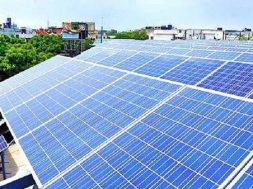

In Short : Uttarakhand has crossed the 1 gigawatt milestone in installed solar power capacity, marking a significant achievement in its renewable energy journey. The expansion strengthens the state’s clean energy mix, enhances grid sustainability, and supports India’s broader decarbonisation goals through diversified solar deployment across utility-scale and rooftop segments.
In Detail : Uttarakhand has achieved a major renewable energy milestone by surpassing 1 gigawatt of installed solar power capacity. This accomplishment reflects the state’s sustained efforts to diversify its energy mix and accelerate the adoption of clean power solutions across multiple segments.
Traditionally known for its hydropower resources, Uttarakhand has steadily expanded its solar footprint in recent years. The growth includes utility-scale solar parks, rooftop solar installations, and distributed generation systems that contribute to balanced and decentralized energy development.
Crossing the 1 GW threshold strengthens the state’s role in India’s broader renewable energy transition. Solar expansion reduces dependence on conventional power sources and supports national commitments to increasing non-fossil fuel capacity while lowering carbon emissions intensity.
The milestone also enhances energy security within the state. By integrating solar generation into the grid, Uttarakhand can better manage peak demand, reduce transmission losses, and stabilize power supply, particularly in remote and mountainous areas.
Rooftop solar adoption has played a notable role in this achievement. Residential, commercial, and institutional consumers have increasingly installed solar panels, supported by policy incentives and awareness initiatives. This distributed generation model empowers consumers while reducing grid stress.
Utility-scale projects have complemented rooftop growth by contributing significant capacity additions. Strategic land allocation, streamlined approvals, and grid connectivity support have facilitated faster project implementation in selected regions of the state.
The growth in solar capacity has also generated employment opportunities in installation, maintenance, and related services. Renewable energy expansion stimulates local economic activity and promotes skill development in emerging green sectors.
Reaching the 1 GW mark positions Uttarakhand to further scale up solar capacity in alignment with national renewable targets. Continued policy support, grid modernization, and storage integration could enable sustained momentum in the coming years.
Overall, Uttarakhand’s achievement demonstrates steady progress toward a cleaner and more resilient energy system. By combining hydropower strengths with expanding solar capacity, the state is reinforcing its contribution to India’s long-term sustainable energy vision.
