



Ratnagiri Development Blueprint Prioritizes Solar Pumps, Resilient Infrastructure and Dedicated Climate Cell – EQ









In Short : Ratnagiri has unveiled a forward-looking development plan promoting solar irrigation pumps, climate-resilient infrastructure, and the creation of a dedicated climate cell. The initiative aims to strengthen agricultural sustainability, enhance disaster preparedness, and integrate climate-responsive governance to drive long-term economic growth and environmental resilience in the coastal district.
In Detail : Ratnagiri district has introduced a comprehensive development strategy that places renewable energy, climate adaptation, and resilient infrastructure at the core of its growth agenda. The plan seeks to align economic expansion with environmental sustainability, ensuring that development initiatives remain future-ready and climate-conscious.
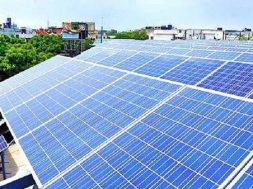
A central feature of the blueprint is the large-scale promotion of solar-powered irrigation pumps. By encouraging farmers to shift from conventional diesel and grid-powered pumps to solar alternatives, the district aims to reduce energy costs, lower carbon emissions, and provide reliable irrigation support in rural areas.
Solar pumps offer significant advantages for agricultural communities by ensuring consistent water supply even in remote regions where grid reliability may fluctuate. This transition enhances farm productivity while reducing operational expenses, thereby strengthening rural livelihoods.
In addition to renewable energy adoption, the plan emphasizes the development of climate-resilient infrastructure. Given Ratnagiri’s coastal geography and vulnerability to extreme weather events, investments in durable roads, drainage systems, and public utilities are essential to minimize climate-related disruptions.
Resilient infrastructure planning also includes improved flood management, coastal protection measures, and sustainable urban development strategies. By integrating climate risk assessments into project design, authorities aim to safeguard assets and communities from long-term environmental challenges.
A notable component of the initiative is the establishment of a dedicated climate cell within the district administration. This specialized unit will focus on monitoring climate data, coordinating adaptation measures, and guiding policy decisions to ensure cohesive and science-based action.
The climate cell is expected to enhance coordination across departments, ensuring that sustainability considerations are embedded in agriculture, urban planning, disaster management, and industrial development programs. This integrated governance model supports more effective climate-responsive policymaking.
The plan also seeks to attract green investments and encourage innovation in renewable energy, water management, and sustainable tourism. By promoting environmentally responsible growth sectors, Ratnagiri aims to balance economic progress with ecological preservation.
Overall, the district’s focus on solar pumps, resilient infrastructure, and climate governance reflects a strategic approach to sustainable development. By combining renewable energy adoption with institutional reforms and climate preparedness, Ratnagiri positions itself for balanced growth that addresses both economic aspirations and environmental realities.
