



In Short : India’s peak power demand has reached a record 256 GW for the second time within three days, highlighting surging electricity consumption driven by rising temperatures and economic activity. The repeated peak underscores growing stress on the grid and the urgent need for capacity expansion, demand-side management, and enhanced integration of renewable energy and storage solutions.
In Detail : India has once again recorded a peak power demand of 256 GW, marking the second occurrence within a span of just three days. This reflects the rapidly increasing electricity consumption across the country, particularly during periods of extreme weather conditions.
The surge in demand is largely attributed to rising temperatures, which have significantly increased the use of cooling appliances such as air conditioners and fans. This seasonal spike has become more intense with changing climate patterns.
In addition to weather-related factors, strong economic activity and industrial growth are also contributing to higher electricity consumption. Expanding infrastructure and increased commercial operations are adding to the overall load on the power system.
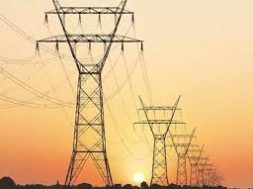
The repeated breach of record demand levels indicates mounting pressure on India’s power grid. Managing such high demand requires efficient coordination between power generation, transmission, and distribution systems.
Thermal power plants continue to play a critical role in meeting peak demand, ensuring grid stability during periods when renewable energy generation may fluctuate. However, dependence on conventional sources also raises concerns about sustainability.
Renewable energy sources such as solar and wind are increasingly contributing to the energy mix, but their intermittent nature presents challenges in matching supply with peak demand, especially during evening hours.
Energy storage solutions, including battery systems, are becoming essential to bridge this gap. They help store excess renewable energy and supply it during high-demand periods, improving grid reliability.
Demand-side management strategies, such as Time-of-Day tariffs and energy efficiency measures, can also play a crucial role in reducing peak load pressure. Encouraging consumers to shift usage patterns is key to balancing supply and demand.
Overall, the repeated peak demand milestone highlights both the growth of India’s energy needs and the challenges ahead. Strengthening infrastructure, diversifying energy sources, and adopting advanced grid management practices will be critical to ensuring a stable and sustainable power system.