Nagpur Metro Pioneers India’s First Solar Panels Installed Between Tracks at Hingna Depot – EQ




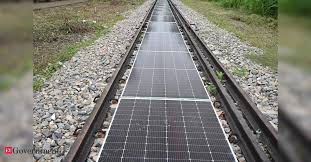
In Short : Maharashtra Metro Rail Corporation Limited has installed India’s first solar panels between metro tracks at Hingna Depot. The innovative project optimizes unused space for clean energy generation, enhances sustainability, and supports energy-efficient metro operations while setting a new benchmark for urban transport infrastructure.
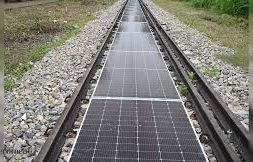
In Detail : Maharashtra Metro Rail Corporation Limited has introduced a first-of-its-kind innovation by installing solar panels between metro tracks at the Hingna Depot. This initiative marks a significant step in integrating renewable energy into urban transportation infrastructure.
The project utilizes the otherwise unused space between railway tracks, transforming it into a productive zone for clean energy generation. This approach maximizes land efficiency, a critical factor in urban environments where space constraints often limit large-scale renewable installations.
By adopting this unique design, Nagpur Metro has demonstrated how infrastructure can be reimagined to serve multiple purposes. The integration of solar panels within existing layouts reduces the need for additional land acquisition while enhancing the overall sustainability of operations.
The electricity generated from these panels will be used to support metro operations, reducing dependence on conventional power sources. This not only lowers operational costs but also contributes to reducing the carbon footprint of the metro system.
The initiative aligns with India’s broader push toward renewable energy adoption and sustainable urban development. Public transport systems, being major energy consumers, play a crucial role in driving this transition through innovative solutions like this.
From a technical perspective, installing solar panels between tracks requires careful design and safety considerations. The project reflects advanced engineering capabilities to ensure that energy generation does not interfere with rail operations or maintenance activities.
The Hingna Depot project also sets a precedent for other metro systems and railway networks across the country. It opens up new possibilities for utilizing underused spaces within transport infrastructure for renewable energy generation.
In addition to environmental benefits, the project strengthens energy security for metro operations by creating a reliable and decentralized power source. This can help mitigate risks associated with grid fluctuations or rising electricity costs.
Overall, this pioneering effort by Nagpur Metro showcases how innovation and sustainability can go hand in hand. By turning unused track space into a source of clean energy, the project sets a new benchmark for smart, efficient, and future-ready urban transport solutions in India.