ACME Highlights How BESS Helped Reduce Transmission CAPEX by ₹20 Lakh per MW – EQ




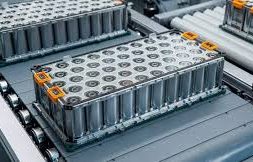




In Short : ACME Group has demonstrated how Battery Energy Storage Systems (BESS) can significantly reduce transmission capital expenditure by around ₹20 lakh per MW. By strategically integrating BESS with renewable power projects, developers can optimize grid infrastructure, minimize transmission upgrades, and improve energy delivery efficiency, making large-scale renewable energy projects more cost-effective and grid-friendly.
In Detail : ACME Group has explained how the deployment of Battery Energy Storage Systems (BESS) can substantially reduce transmission capital expenditure in renewable energy projects. According to the company, integrating BESS with renewable power plants can lower transmission infrastructure costs by approximately ₹20 lakh per megawatt, offering a financially efficient solution for large-scale clean energy development.
Transmission infrastructure often represents a major portion of the capital investment required for renewable energy projects. Developers typically need to build or upgrade transmission lines to evacuate power generated from remote solar or wind farms. These infrastructure requirements can significantly increase project costs and extend development timelines.
By integrating BESS with renewable generation facilities, ACME has shown that energy can be stored during periods of high generation and dispatched when transmission capacity becomes available. This reduces the need to oversize transmission lines and substations, ultimately lowering the capital expenditure required for grid connectivity.
Battery Energy Storage Systems also help smooth fluctuations in renewable power output. Solar and wind generation can vary depending on weather conditions and time of day, which often places pressure on transmission systems designed for peak output. BESS allows developers to manage this variability by storing excess electricity and releasing it gradually.
Another important advantage of BESS integration is the improved utilization of existing grid infrastructure. Instead of building transmission systems capable of handling occasional peak loads, energy can be stored and delivered more evenly over time. This approach maximizes the efficiency of available grid capacity.
The cost savings of approximately ₹20 lakh per MW highlighted by ACME illustrate the economic value of combining energy storage with renewable power projects. For large-scale installations, these savings can translate into substantial reductions in overall project costs and improved financial viability.
The approach also aligns with India’s broader strategy to increase renewable energy capacity while maintaining grid stability. As the share of solar and wind energy grows, storage technologies like BESS are becoming essential for balancing supply and demand across the power system.
In addition to reducing transmission costs, BESS can provide several grid services such as frequency regulation, peak shaving, and backup power support. These capabilities enhance grid reliability and make renewable energy integration more seamless.
Overall, ACME’s experience highlights how energy storage is evolving from a supporting technology into a key infrastructure component in modern power systems. By reducing transmission investment requirements and improving grid efficiency, BESS is playing a crucial role in enabling the next phase of renewable energy expansion in India.