Bloom Energy Advances Green Hydrogen Ambitions in India with Innovative Microgrid Project – EQ




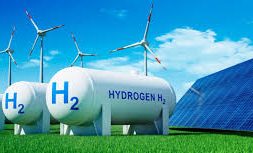
In Short : US-based Bloom Energy is advancing solid oxide electrolyzer cell (SOEC) technology in India, supporting the National Green Hydrogen Mission. Partnering with NTPC, Bloom is building India’s first green hydrogen microgrid in Visakhapatnam, integrating a floating solar farm and hydrogen fuel cells. The high-temperature SOECs improve efficiency, making green hydrogen production more viable, aligning with India’s goal of 5 million metric tons by 2030.
In Detail : Bloom Energy, a U.S.-based leader in solid oxide fuel cell technology, is making significant strides in India as the country looks to ramp up its hydrogen initiatives. The company’s focus on high-efficiency solid oxide electrolyzer cells (SOECs) aligns with India’s National Green Hydrogen Mission, which aims to produce 5 million metric tons of green hydrogen annually by 2030. Bloom Energy’s efforts are poised to support India’s transition to cleaner energy solutions while also addressing the economic challenges of hydrogen production.
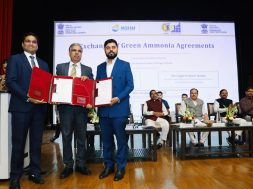
In collaboration with NTPC Limited, India’s largest energy conglomerate, Bloom Energy is setting up the country’s first green hydrogen microgrid at Simhadri, Visakhapatnam. This innovative project will integrate a floating solar farm with Bloom’s advanced high-temperature electrolyzers to produce green hydrogen. The generated hydrogen will be converted into carbon-neutral electricity using Bloom’s hydrogen fuel cells. Designed to deliver 24/7 power to NTPC’s guest house, this microgrid showcases the potential of scalable, off-grid hydrogen energy storage systems.
One of the key advantages of Bloom Energy’s SOEC technology is its high operational temperature, which significantly enhances hydrogen production efficiency compared to traditional low-temperature electrolyzers. This heightened efficiency translates into reduced electricity consumption, which is a major cost factor in green hydrogen production. By lowering the energy requirements, Bloom Energy is making green hydrogen more economically feasible, which could accelerate the adoption of hydrogen as a mainstream energy source.
While Bloom Energy moves ahead with its pilot projects, India continues to address the broader challenges related to hydrogen infrastructure, cost management, and demand generation. These factors are crucial for the successful scaling of green hydrogen production across the country. To tackle these challenges, the Indian government has committed \$2.3 billion under the National Green Hydrogen Mission, aiming to reduce production costs and boost hydrogen’s role in the country’s energy landscape.
The partnership with NTPC not only demonstrates Bloom Energy’s commitment to sustainable development but also highlights the potential for public-private collaborations in advancing India’s clean energy objectives. By combining NTPC’s expertise in energy management with Bloom’s technological innovation, the project serves as a model for future green hydrogen initiatives in India. As more companies explore similar ventures, the adoption of hydrogen as a primary energy carrier could see a significant boost.
Bloom Energy’s progress in India underscores the importance of innovative electrolyzer technologies in achieving global decarbonization targets. As India works to enhance its renewable energy infrastructure, integrating efficient hydrogen production methods will be vital. By leveraging solid oxide technology, Bloom Energy is positioning itself as a key player in supporting India’s clean energy transition and paving the way for a more sustainable future.