



Delhi Prepares for Record 6,000 MW Winter Power Demand with Renewable and AI-Driven Measures – EQ






In Short : Delhi is preparing for a record winter electricity demand, with the State Load Dispatch Centre forecasting a peak of **6,000 MW**. BSES discoms, BRPL and BYPL, are leveraging renewables, long-term power tie-ups, battery storage, and AI-based demand forecasting to meet the surge. Surplus power banking with other states and careful thermal plant scheduling aim to ensure grid stability and uninterrupted supply.
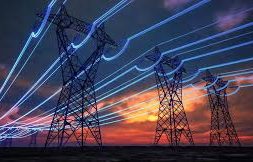
In Detail : Delhi is gearing up for a record winter electricity demand, with forecasts indicating a peak load of **6,000 MW**, surpassing last year’s 5,655 MW. The surge is driven by increased residential heating, industrial consumption, and commercial activity during the colder months. Authorities are taking proactive measures to ensure uninterrupted power supply across the city.
BSES discoms, including BRPL and BYPL, are strengthening their power procurement strategies. They are entering long-term tie-ups with conventional and renewable energy generators to meet projected demand. These arrangements ensure that adequate electricity is available even during peak winter periods.
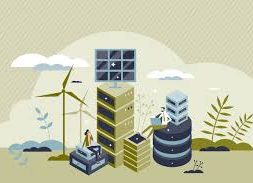
Renewable energy will play a significant role in meeting Delhi’s winter demand. More than 50% of projected consumption in BRPL and BYPL zones will be sourced from solar, wind, hydro, and rooftop installations. This approach supports sustainability while reducing reliance on fossil fuels.
BSES plans to bank surplus renewable energy with states such as Goa, Kerala, Chhattisgarh, Himachal Pradesh, and Manipur. This stored energy will be returned during high-demand periods, providing a buffer that helps maintain grid stability and balance supply fluctuations.
Grid reliability will be enhanced through battery storage systems, timely maintenance of infrastructure, and optimized scheduling of thermal power plants. These measures aim to prevent outages and ensure consistent supply across residential, commercial, and industrial sectors during peak winter hours.
Advanced demand forecasting will be central to operational planning. BSES is using AI and machine learning models that consider weather conditions, human consumption patterns, and seasonal trends to predict load accurately and allocate resources efficiently.
Discoms are also preparing for unexpected load spikes by establishing spinning reserves and maintaining robust power banking arrangements. This readiness will help mitigate any risk of shortages and maintain uninterrupted electricity delivery during peak demand.
Delhi’s previous summer peak of **8,656 MW** highlighted the challenges of managing high demand. Authorities are now applying lessons learned to winter planning, anticipating similar upward trends, and ensuring that infrastructure and operational protocols are equipped to handle the surge.
Through these measures, Delhi aims to provide reliable and continuous electricity during the coldest months. The combination of renewables, storage solutions, AI-based forecasting, and cross-state energy banking positions the city to meet its record winter demand safely and efficiently.
