


Energy Storage and Grid Flexibility Emerge as Immediate Priorities for India’s Power System – EQ











In Short : Energy storage and system flexibility have become urgent priorities for India’s power sector as renewable energy capacity grows rapidly. Industry leaders emphasize the need for advanced storage technologies, flexible generation, and modern grid management systems to maintain stability. Strengthening these capabilities will allow the grid to efficiently integrate large volumes of solar and wind power.
In Detail : India’s power sector is undergoing a significant transformation as renewable energy capacity continues to expand across the country. With large-scale solar and wind installations being added each year, maintaining grid stability has become a central focus for policymakers, utilities, and industry leaders. As a result, energy storage and system flexibility are now considered immediate priorities for ensuring a reliable and efficient power system.
The rapid growth of renewable energy introduces new operational challenges for electricity grids. Unlike conventional power plants that generate electricity consistently, renewable sources such as solar and wind are variable and depend on environmental conditions. Solar generation declines in the evening while wind output can fluctuate depending on weather patterns, creating the need for flexible systems that can respond quickly to changing supply levels.
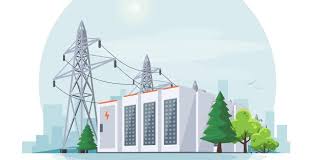
Energy storage technologies are increasingly recognized as one of the most effective solutions to address these challenges. Battery energy storage systems allow excess electricity generated during periods of high renewable output to be stored and used later when demand increases. This capability helps smooth fluctuations in power generation and ensures a steady supply of electricity to consumers.
Apart from battery storage, pumped hydro storage projects are also gaining importance in supporting grid flexibility. These systems store electricity by pumping water to a higher elevation during low demand periods and releasing it to generate power when demand rises. Such technologies provide large-scale storage capacity and play a crucial role in balancing the grid during peak consumption hours.
System flexibility also involves improving the ability of power plants and grid infrastructure to quickly adjust their output based on demand conditions. Flexible thermal power plants, gas-based generation units, and hydropower stations can ramp up or reduce production rapidly, helping maintain balance between electricity supply and consumption.
Modern grid management technologies are essential for enhancing system flexibility. Advanced forecasting tools, real-time monitoring systems, and digital grid controls allow operators to better predict renewable generation patterns and adjust power flows accordingly. These technologies help reduce the risk of power imbalances and improve overall grid efficiency.
Transmission infrastructure also plays an important role in supporting flexible power systems. Strong and well-connected transmission networks enable electricity to be transported from regions with surplus renewable generation to areas experiencing higher demand. Expanding transmission capacity helps integrate renewable energy more effectively across the national grid.
As renewable energy targets become more ambitious, the need for integrated energy solutions continues to grow. Combining renewable generation with storage, flexible power plants, and intelligent grid systems allows electricity networks to operate more efficiently. Such integrated systems are essential for achieving both reliability and sustainability in the power sector.
Overall, the increasing emphasis on storage and system flexibility reflects the evolving nature of India’s energy transition. By investing in advanced storage technologies, strengthening grid infrastructure, and enhancing operational flexibility, the country can successfully integrate large volumes of renewable energy while maintaining a stable and reliable electricity supply for future growth.
