









In Short : India has achieved a key energy milestone, with nearly 49% of its total installed power generation capacity now from non-fossil fuel sources. This includes 226.9 GW of renewable energy and 8.8 GW of nuclear power. The shift highlights the country’s accelerating transition toward clean energy and its commitment to sustainable, low-carbon growth and climate goals.
In Detail : India has made significant progress in its energy transition, with nearly 49% of its total installed power generation capacity now coming from non-fossil fuel sources. This marks a major step toward achieving the country’s long-term climate and sustainability goals.
The total non-fossil capacity stands at 235.7 GW, comprising 226.9 GW from renewable sources and 8.8 GW from nuclear power. This shift reflects the country’s growing commitment to reducing dependence on coal and other fossil fuels.
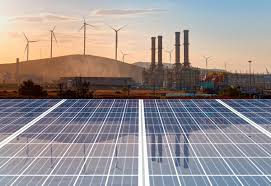
Renewable energy continues to form the backbone of India’s clean energy push. Solar and wind have seen rapid expansion, supported by favorable policies, subsidies, and strong private sector participation. Hydropower and bioenergy also contribute to the mix.
Nuclear energy, though smaller in scale, remains an important part of the strategy. It offers a stable, low-emission source of base-load power that complements variable renewable generation, especially in urban and industrial regions.
This achievement comes as part of India’s broader target of reaching 500 GW of non-fossil capacity by 2030. The current milestone demonstrates steady progress and builds confidence in the nation’s ability to meet its energy and environmental commitments.
The growing share of clean energy also enhances energy security, reduces emissions, and positions India as a global leader in sustainable development. With continued investments and policy support, the country is on a strong path toward a greener, more resilient energy future.
