









In Short : Central Electricity Authority projects that non-fossil fuel sources will account for 70% of India’s total installed power capacity by 2036. The report highlights strong growth in renewables, nuclear, and hydro energy, reinforcing India’s clean energy transition, reducing carbon emissions, and ensuring long-term energy security through sustainable and diversified power generation.
In Detail : Central Electricity Authority has projected that non-fossil fuel sources will contribute nearly 70% of India’s total installed power capacity by 2036, marking a major shift in the country’s energy mix toward cleaner and more sustainable sources.
This projection reflects India’s strong commitment to reducing dependence on fossil fuels such as coal and gas. The transition is being driven by ambitious renewable energy targets and policy support aimed at accelerating clean energy adoption across the country.
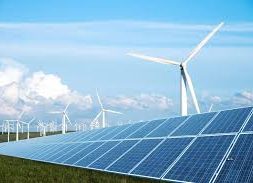
Solar energy is expected to play a dominant role in this transformation, supported by large-scale solar parks, rooftop installations, and hybrid renewable projects. Wind energy will also continue to expand, particularly in states with high wind potential.
Hydropower and nuclear energy are projected to complement renewable sources by providing stable and reliable baseload power. These sources are essential for maintaining grid balance as the share of variable renewable energy increases.
The report also highlights the growing importance of energy storage systems. As renewable capacity rises, storage technologies such as batteries and pumped hydro will be critical in managing intermittency and ensuring continuous power supply.
Transmission infrastructure development is another key focus area. Expanding and modernizing the national grid will enable efficient integration of renewable energy from resource-rich regions to demand centers across the country.
This transition is expected to significantly reduce carbon emissions from the power sector. Increasing the share of non-fossil fuel capacity will contribute to India’s climate commitments and global efforts to combat climate change.
The shift toward clean energy also presents substantial economic opportunities. It is likely to attract investments, create jobs, and drive innovation in emerging technologies such as green hydrogen and smart grid systems.
