





In Short : India has reached 50% non-fossil electricity capacity five years ahead of its 2030 target, marking strong progress in clean energy. However, challenges like limited storage, weak DISCOM finances, coal expansion, and import dependency could slow growth. With rising investment and policy support, India’s clean energy transition is poised to accelerate—but only if systemic hurdles are swiftly addressed.
In Detail : India has reached a major milestone in its clean energy journey, with over 50% of its installed electricity capacity now coming from non-fossil fuel sources. This achievement comes five years ahead of its 2030 target set under the Paris Agreement, marking significant early progress in the country’s energy transition.
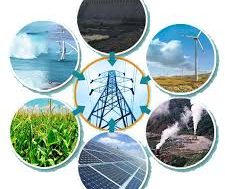
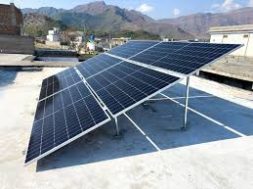
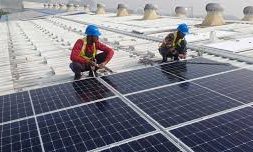
The first half of 2025 alone saw the addition of 16.3 GW of solar and wind capacity. In 2024, India added 28 GW of renewable energy, bringing its total non-hydro renewables to around 184.6 GW by June. These numbers reflect a growing momentum toward clean energy adoption and infrastructure development.
Several policy and market developments are helping to accelerate this shift. Hybrid energy projects that include storage, increasing private sector investment, and government incentives like transmission-charge waivers are encouraging broader renewable deployment. Major players like Reliance are ramping up green manufacturing, adding further strength to the ecosystem.
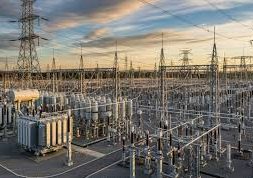
Despite these gains, structural bottlenecks remain. India’s grid infrastructure and battery storage capacity are lagging, limiting the efficiency and reliability of renewable power delivery. With only 0.2 GWh of battery storage capacity installed by early 2024, this shortfall threatens to stall the scaling of intermittent sources like solar and wind.
Financial instability among state power distribution companies (DISCOMs) continues to pose a risk to the renewable sector. Delays in signing power purchase agreements and unpaid dues to generators are undermining investor confidence and project viability, slowing down the transition timeline.
India’s heavy reliance on imported critical minerals such as lithium and cobalt also exposes its renewable energy supply chain to external shocks. Without diversifying sourcing or establishing local processing, the country risks future disruptions in solar panel and battery production.
Moreover, while clean energy capacity is growing, the expansion of coal-fired power continues in parallel. India plans to add 80 GW of coal capacity by 2032, and efforts to revive coal mines show that fossil fuels still play a major role in meeting energy demand.
As India moves forward, balancing economic growth, energy security, and environmental responsibility will be key. A faster and steeper clean energy transition is possible, but only if challenges in grid infrastructure, finance, and policy are effectively addressed alongside the push for more renewables.
