


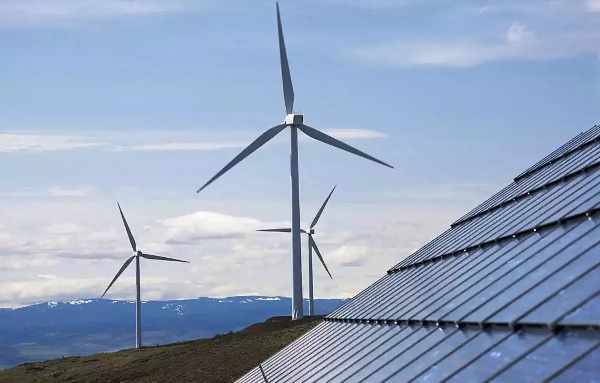





In Short : India is actively reducing its fossil fuel-based electricity generation as the country’s renewable energy output reaches a new historic peak. This shift highlights the growing capacity of solar, wind, and other clean sources to meet power demand, supporting climate goals and enhancing energy security while transitioning toward a more sustainable and self-reliant electricity system.
In Detail : India’s energy sector has reached a pivotal turning point, marking a significant departure from its traditional reliance on fossil fuels for generating electricity. Recent reports and grid data confirm that the output from power plants burning coal and gas has begun a measurable and deliberate decline across the national network. This reduction is not a result of decreased demand but is a direct outcome of a strategic and planned shift in the nation’s energy policy. For the first time, the historical correlation between economic growth and increased fossil fuel consumption is being successfully broken in the power sector. This decoupling represents a critical achievement for a large and rapidly developing economy with immense energy needs. It signals that a deep and structural transformation of the energy mix is now firmly underway.
The primary force behind this historic decline in fossil-based generation is the monumental and record-breaking surge in electricity production from renewable energy sources. India’s investments in vast solar parks, wind farms, and other green technologies have culminated in clean power output hitting an unprecedented new peak. This surge is not an isolated event but part of a consistent upward trajectory that has been building momentum over the past several years. The installed capacity of renewables has grown to such an extent that it can now reliably meet a larger portion of the base load demand, especially during daylight hours when solar generation is at its maximum. This allows grid operators to consciously dial down the output from more polluting thermal power stations. The success of renewables is directly displacing fossil fuels.
This achievement is the culmination of a clear-eyed and persistent national strategy focused on achieving energy independence and meeting ambitious international climate commitments. The government has fostered this transition through a multi-pronged approach involving competitive auctions that have driven down the cost of renewable energy to become the cheapest source of new power generation. Supportive policies, including mandates for renewable purchase obligations on distribution companies, have created a guaranteed market for clean energy. Furthermore, a concerted effort to modernize and strengthen the national grid has been essential for managing the variable nature of solar and wind power and ensuring stability. This strategic vision has provided the private sector with the confidence to invest billions.
The environmental implications of this shift are profound and extend far beyond India’s borders, contributing positively to the global fight against climate change. The reduction in burning coal for electricity directly translates to lower emissions of carbon dioxide, which is the primary greenhouse gas responsible for global warming and climate instability. Additionally, it leads to a significant decrease in the release of other harmful pollutants, such as sulfur dioxide, nitrogen oxides, and particulate matter, which have severe impacts on air quality and public health. Improvements in urban air quality can lead to reduced respiratory illnesses and associated healthcare costs, creating a tangible benefit for the population. This move aligns with the country’s pledge to reduce the emissions intensity of its economy.
From an economic and strategic perspective, this transition enhances India’s energy security by reducing its vulnerability to volatile global fossil fuel markets and supply disruptions. A greater share of domestically produced sun and wind power insulates the economy from the price shocks associated with importing coal and natural gas, conserving valuable foreign exchange reserves. It also fosters the growth of a new domestic manufacturing ecosystem for renewable technology components, creating jobs and promoting technological self-reliance under initiatives like Aatmanirbhar Bharat. The economic case for renewables is now undeniable, as they provide power at a fixed cost for decades, unlike fossil fuels subject to market fluctuations. This builds a more resilient and sovereign energy foundation.
The technological and infrastructural evolution of the grid has been a silent enabler of this energy transition, allowing for the efficient integration of a high volume of variable renewable energy. Investments in advanced grid management systems, forecasting tools for solar and wind generation, and responsive load management have been critical for maintaining grid stability and preventing blackouts. The strategic development of green energy corridors has facilitated the transmission of renewable power from resource-rich states to major load centers across the country. Furthermore, the gradual deployment of large-scale battery energy storage systems is providing a solution for storing excess solar energy for use during the evening, further enabling the displacement of fossil fuels. This modernized infrastructure is the backbone of the new energy system.
Despite this clear progress, challenges remain on the path to a fully decarbonized power sector, requiring continued innovation and investment. The intermittent nature of solar and wind power means that solutions for long-duration energy storage and grid balancing will be essential to ensure reliability during periods of low renewable generation, such as at night or during calm weather. Modernizing the country’s fleet of coal plants to make them more flexible and able to ramp up and down quickly to complement renewables, rather than provide baseload power, is another complex task. Ensuring a just transition for communities and workers currently dependent on the fossil fuel economy is also a critical social and economic imperative that must be managed with care and planning. The journey is ongoing.
The international community is observing India’s energy transition with great interest, as it provides a crucial blueprint for other developing economies seeking to achieve growth while mitigating their environmental impact. India’s success demonstrates that the trade-off between development and sustainability is a false choice and that a cleaner energy path is both viable and economically advantageous. Its experience offers valuable lessons in policy design, market creation, and technological integration that can be adapted by other nations. As a key voice in the Global South, India’s actions lend powerful credibility to the global energy transition and show that climate action and economic development can be mutually reinforcing goals. Its leadership is inspiring others.
In conclusion, India’s deliberate cutback on fossil-based electricity generation, propelled by a new peak in clean energy, is a landmark event with far-reaching consequences. It is a powerful validation of the country’s strategic vision and its commitment to a sustainable future for its citizens and the planet. This trend is expected to accelerate as renewable capacity continues to grow and technologies like green hydrogen and advanced storage become more prevalent. The energy landscape is being fundamentally reshaped, paving the way for a cleaner, more secure, and self-reliant power system that can support India’s aspirations for decades to come. The foundation for a green future is being laid today.
