



Karnataka Launches New Scheme to Promote Renewable Energy and Shift Agricultural Pump Sets to Solar Power – EQ






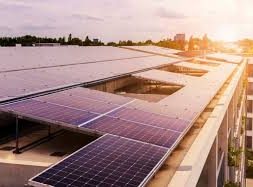



In Short : Karnataka has introduced a new initiative to promote renewable energy by converting agricultural pump sets to solar power. The scheme aims to reduce farmers’ dependence on grid electricity and diesel while ensuring reliable irrigation. By expanding solar-powered pump systems, the state plans to cut energy costs, improve sustainability, and support clean energy adoption in agriculture.
In Detail : Karnataka has announced a new scheme aimed at promoting renewable energy adoption in the agricultural sector by shifting conventional pump sets to solar-powered systems. The initiative is designed to help farmers access reliable electricity for irrigation while reducing dependence on grid power and fossil fuel-based energy sources.
Agriculture is one of the largest consumers of electricity in Karnataka, with thousands of pump sets used for groundwater irrigation. These pumps traditionally rely on grid electricity or diesel generators, both of which can be costly and environmentally challenging. Transitioning to solar-powered pumps offers a cleaner and more sustainable alternative.
Under the proposed scheme, the state government plans to encourage farmers to adopt solar pump systems through financial support and policy incentives. Solar-powered pumps use photovoltaic panels to generate electricity directly from sunlight, allowing farmers to operate irrigation systems without relying on conventional electricity supply.
One of the major benefits of solar pump sets is improved reliability. Farmers often face power supply disruptions or limited electricity availability during peak irrigation periods. Solar pumps can provide consistent daytime power, helping farmers manage irrigation schedules more effectively.
The initiative is also expected to reduce the financial burden on the state’s electricity distribution companies. Agricultural electricity subsidies represent a significant cost for utilities, and shifting a portion of irrigation demand to solar energy can help lower long-term subsidy expenditures.
In addition to supporting farmers, the program contributes to Karnataka’s renewable energy expansion goals. The state has been actively promoting solar and wind power development and is now focusing on distributed solar solutions in rural areas.
Solar-powered pump systems can also help reduce carbon emissions by replacing diesel-powered irrigation pumps. This transition supports broader climate and sustainability objectives while improving environmental outcomes in agricultural regions.
The scheme is expected to be implemented in phases, with priority given to areas where farmers face significant electricity supply challenges. Government agencies and energy developers may collaborate to deploy solar pump systems efficiently across rural districts.
Overall, Karnataka’s initiative to shift agricultural pump sets to solar power reflects a strategic approach to integrating renewable energy into the farming sector. By combining energy sustainability with agricultural productivity, the state aims to create long-term benefits for farmers, utilities, and the environment.
