






In Short : Odisha Chief Minister Mohan Charan Majhi has announced the state’s vision to become a major green energy hub by 2036. The government plans to expand renewable capacity, promote industrial decarbonization, mobilize investments, and strengthen green hydrogen, solar, and wind infrastructure. The initiative aims to create jobs, attract global industries, and position Odisha as a key contributor to India’s clean energy transition.
In Detail : Chief Minister Mohan Charan Majhi has outlined an ambitious roadmap for Odisha to transform into a prominent green energy hub by 2036. The vision places renewable energy, sustainable industrial practices, and long-term environmental planning at the core of the state’s growth strategy. This marks a major shift toward clean development and aligns with India’s national climate goals.
Odisha, known for its mineral-rich landscape and heavy industries, is now focusing on reducing carbon emissions across key sectors. The state government aims to leverage its natural resources and geographic advantages to expand solar, wind, small hydro, and green hydrogen production. This approach will help balance industrial growth with ecological responsibility.
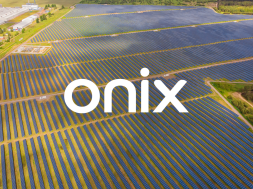
The plan includes large-scale solar park development across suitable districts, tapping into Odisha’s increasing solar potential. Government buildings, industrial clusters, and rural communities are expected to benefit from decentralized solar adoption. Proposals for floating solar, canal-top solar, and hybrid renewable parks are also under consideration.
Wind energy development, particularly along coastal belts, is gaining importance in the state’s renewable strategy. The government is studying wind potential in various coastal districts and exploring partnerships with leading developers to set up wind farms and hybrid (solar-wind) projects. This could diversify Odisha’s energy mix and strengthen its grid resilience.
Green hydrogen is another major pillar of the long-term roadmap. Odisha aims to attract investments in green hydrogen production and storage facilities to support its steel, aluminum, and chemical industries. By promoting hydrogen valleys and industrial clusters, the state plans to become a major supplier of clean fuels to domestic and global markets.
To ensure smooth implementation, the government is focusing on strengthening transmission networks and upgrading energy infrastructure. Plans include establishing green energy corridors, modernizing substations, and improving grid integration capabilities. This will support large-scale renewable evacuation and ensure stable power supply for industries and consumers.
The Chief Minister also emphasized the potential for job creation through the green energy ecosystem. Manufacturing of solar components, wind turbine parts, hydrogen equipment, and energy storage systems could generate employment across skilled and semi-skilled levels. Local communities are expected to benefit from training and capacity-building programs.
Odisha is also pushing for policy reforms to attract private investment in renewable energy. Incentives for developers, streamlined approval processes, and land facilitation are part of the proposed framework. These reforms aim to position Odisha as an attractive destination for green energy investors worldwide.
Overall, the state’s vision to emerge as a green energy hub by 2036 reflects a strong commitment toward sustainability, industrial modernization, and long-term economic resilience. If implemented effectively, Odisha could become a national model for clean energy leadership and significantly contribute to India’s future energy independence.
