



Punjab Advances Grid-Scale Storage Strategy with Tender for 500 MW Standalone Battery Projects – EQ





In Short : The Punjab government has released a tender for 500 MW of standalone battery energy storage systems, marking a major step toward strengthening grid reliability and renewable energy integration. The initiative aims to support peak demand management, enhance system flexibility, and build storage capacity essential for Punjab’s evolving clean energy and power infrastructure.
In Detail : The Punjab government has issued a tender inviting developers to set up 500 MW of standalone battery energy storage systems, signaling a strong policy push toward modernizing the state’s power infrastructure. The move reflects growing recognition of energy storage as a critical component in managing demand, improving grid stability, and supporting renewable energy growth.
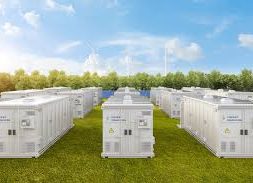
Standalone battery storage projects are designed to operate independently of generation assets, allowing them to charge from the grid during off-peak hours and discharge during periods of high demand. This flexibility helps utilities manage peak loads more efficiently and reduce stress on conventional generation resources.
Punjab’s decision comes as electricity demand patterns become increasingly dynamic due to urbanization, agricultural consumption, and industrial growth. Large-scale battery storage can play a vital role in balancing supply and demand while minimizing the need for expensive peaking power plants.
The tender also supports the integration of renewable energy into the state grid. As solar and wind capacity expand, storage systems help address intermittency by smoothing fluctuations and providing dispatchable power when renewable generation drops.
From a system reliability perspective, battery energy storage enhances grid resilience by offering fast-response capabilities during frequency deviations or sudden outages. This is particularly valuable in maintaining power quality and preventing disruptions across the network.
The initiative is expected to attract interest from domestic and international energy storage developers, technology providers, and investors. Competitive bidding can encourage innovation, cost optimization, and deployment of advanced battery technologies tailored to local grid requirements.
In addition to technical benefits, large-scale storage deployment can contribute to long-term cost savings for the power system. By reducing peak power procurement costs and improving asset utilization, storage can lower overall system expenses over time.
The tender aligns with broader national efforts to scale up energy storage capacity as part of India’s clean energy transition. States adopting storage early are likely to gain operational experience and regulatory clarity that support future expansion.
Overall, the release of the 500 MW standalone BESS tender positions Punjab as a proactive player in grid modernization. It reflects a forward-looking approach to managing future energy needs while supporting a more flexible, reliable, and sustainable power system.
