



Solar and Wind to Lead Power Capacity Expansion as Renewables Dominate Growth: Centrum Report – EQ





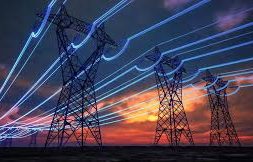


In Short : A report by Centrum Institutional Research states that renewables will drive the majority of India’s upcoming power capacity additions, led by solar and wind. The analysis highlights strong project pipelines, falling costs, and policy support. Increasing demand, storage deployment, and transmission expansion are expected to accelerate renewable-led growth in the country’s evolving power sector.
In Detail : Renewable energy is expected to account for the bulk of India’s power capacity expansion in the coming years, with solar and wind leading the growth trajectory. According to a report by Centrum, strong project pipelines, favorable policy support, and declining technology costs are accelerating renewable deployment. The shift reflects a structural transformation in India’s power sector as clean energy becomes the preferred choice for new capacity additions.
Solar power is projected to dominate upcoming installations due to its cost competitiveness and faster execution timelines. Large utility-scale solar parks, hybrid projects, and distributed solar installations are driving capacity growth. Increasing participation from developers and improved financing availability are further supporting solar expansion across multiple states.
Wind energy is also expected to witness renewed momentum, particularly with the rollout of hybrid and round-the-clock renewable tenders. Improved turbine technology, better site utilization, and repowering of older wind farms are contributing to increased generation efficiency. Wind capacity additions are likely to complement solar generation and improve overall renewable output stability.
Hybrid renewable projects combining solar and wind are emerging as a key growth segment. These projects improve plant load factors and provide more consistent power generation. Integration of battery energy storage systems is also expected to enhance dispatchability and reduce intermittency challenges associated with standalone renewable projects.
Rising electricity demand across industrial, commercial, and residential sectors is creating strong need for new generation capacity. Renewables are increasingly being favored due to lower tariffs and shorter development timelines. This trend is expected to accelerate capacity additions over the next few years.
Transmission infrastructure expansion is also supporting renewable growth by enabling evacuation from resource-rich regions. Dedicated renewable energy zones and new transmission corridors are improving connectivity. Strengthened grid infrastructure will help accommodate higher levels of renewable penetration.
Policy initiatives including competitive bidding, viability gap funding, and production-linked incentives are encouraging investments. Government focus on domestic manufacturing and storage deployment is expected to further boost renewable energy adoption. These measures are improving investor confidence in the sector.
Thermal power capacity additions are expected to remain limited compared to renewable installations. While coal-based plants will continue to provide baseload support, most new capacity additions are likely to come from clean energy sources. This indicates a gradual shift toward a more sustainable energy mix.
With solar and wind leading the expansion, renewables are set to dominate India’s power capacity growth. The outlook highlights strong momentum in clean energy deployment, supported by policy backing, improving economics, and increasing demand for sustainable electricity across the country.
