



Solar Energy Drives India’s Clean Power Transition as Non-Fossil Capacity Crosses 50% – EQ






In Short : India’s power sector has reached a major milestone as non-fossil fuel sources now account for more than half of the country’s installed electricity generation capacity. Solar energy is playing a central role in this transition, supported by policy initiatives, large-scale solar parks, and rooftop installations. This shift strengthens energy security while accelerating India’s progress toward a cleaner and more sustainable energy future.
In Detail : India has achieved a significant milestone in its energy transition with non-fossil fuel sources now accounting for more than half of the country’s total installed power generation capacity. This development reflects the rapid growth of renewable energy and the increasing role of clean technologies in the national electricity mix. Solar energy, in particular, has emerged as a key driver of this transformation due to its scalability, declining costs, and strong policy support.
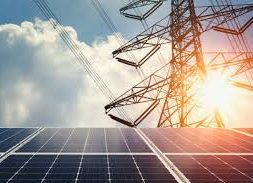
Solar power has expanded rapidly across India over the past decade, supported by large solar parks, rooftop solar programs, and decentralized energy systems. Government initiatives have encouraged both utility-scale and distributed solar installations, enabling the country to significantly increase its renewable capacity. As a result, solar energy is becoming one of the most prominent contributors to India’s clean electricity generation.
The growth of solar energy is also helping India reduce its dependence on fossil fuels such as coal and oil. While conventional power plants continue to provide a large portion of the country’s electricity supply, the increasing share of renewable energy is gradually reshaping the structure of the power sector. This shift supports national efforts to reduce carbon emissions and meet international climate commitments.
Another important factor behind the rapid expansion of solar power is the decline in technology costs. Improvements in solar panel manufacturing, installation techniques, and project financing have made solar electricity more affordable than ever before. Competitive bidding processes and large-scale project development have further helped reduce tariffs, making solar power an economically viable energy source.
The increase in non-fossil capacity also includes contributions from other clean energy sources such as wind power, hydropower, nuclear energy, and biomass-based generation. Together, these technologies form a diversified renewable energy portfolio that strengthens the country’s ability to supply clean electricity while maintaining grid reliability and energy security.
Large solar parks developed in several states have played a crucial role in accelerating capacity additions. These projects enable efficient land use, shared infrastructure, and large-scale power generation, making it easier for developers to build and operate solar plants. Such developments have significantly increased the pace of renewable energy deployment across the country.
Rooftop solar installations are also contributing to the clean energy transition by enabling households, businesses, and institutions to generate electricity locally. Distributed solar systems reduce pressure on the transmission network and allow consumers to participate directly in renewable energy adoption. Government incentive programs and net-metering policies have further encouraged the growth of rooftop solar across urban and semi-urban regions.
As renewable energy capacity increases, efforts are also being made to strengthen grid infrastructure and improve energy storage capabilities. Modern grid technologies, better forecasting systems, and battery storage solutions are helping manage the variability associated with solar and wind power. These measures are essential to ensure stable and reliable electricity supply as renewable penetration continues to rise.
Overall, the milestone of non-fossil capacity exceeding fifty percent reflects India’s strong progress toward building a cleaner and more sustainable energy system. Solar power remains at the center of this transformation, driving innovation, investment, and infrastructure development across the power sector. With continued policy support and technological advancement, solar energy is expected to remain a cornerstone of India’s long-term energy strategy.
