







In Short : Tripura Power Minister Ratan Lal Nath said dwindling gas reserves are hampering output at key plants, making solar energy the state’s future focus. Under the PM Surya Ghar scheme, rooftop solar will be promoted to households. The government also plans to revive hydropower projects and develop a pumped-storage facility to ensure sustainable and reliable electricity supply.
In Detail : Tripura Power Minister Ratan Lal Nath has expressed concern over the state’s declining natural gas reserves, warning that it is affecting electricity generation from major power plants. This situation, he said, necessitates a strategic shift toward renewable energy, with solar power emerging as the primary focus for the future.
Gas-based power plants like the Palatana and Monarchak units have been producing below capacity due to reduced fuel availability. This has put pressure on the state’s power supply, increasing the urgency to diversify energy sources and ensure long-term sustainability.
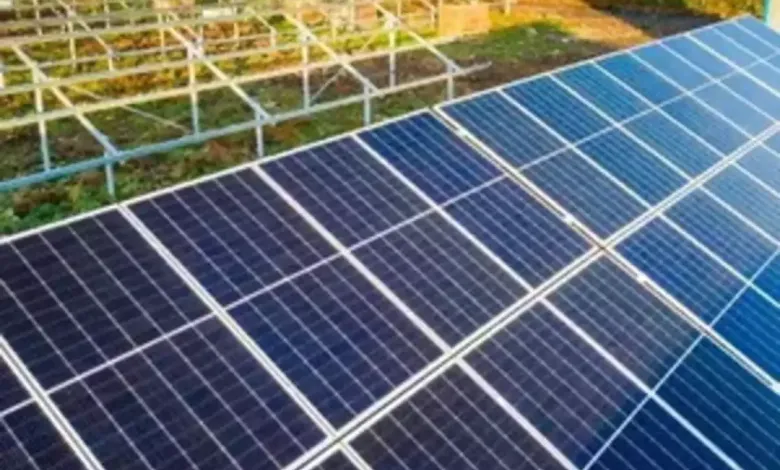
The minister emphasized that solar energy offers a reliable and eco-friendly alternative to fossil fuels. By investing in rooftop solar systems and larger solar farms, the state aims to cut dependence on depleting gas resources while supporting national renewable energy targets.
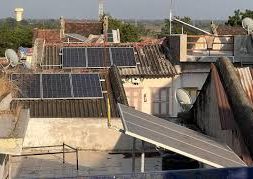
Tripura is actively promoting the Pradhan Mantri Surya Ghar scheme to encourage households to install rooftop solar panels. This initiative aims to provide affordable, clean electricity directly to consumers, reducing the burden on the grid and enhancing energy self-sufficiency.
In addition to solar expansion, the government is considering reviving stalled hydropower projects. Hydropower could provide a stable backup to solar generation, particularly during periods of low sunlight or peak demand.
The minister also revealed plans for a pumped-storage hydroelectric facility, which would store excess power generated during the day and release it during high-demand periods. Such projects could help balance fluctuations in renewable energy supply.
Public awareness and community participation are central to these renewable energy plans. The government is conducting campaigns to educate citizens about the benefits of solar adoption and the incentives available under government schemes.
By integrating solar, hydropower, and energy storage solutions, Tripura hopes to create a diversified and resilient energy mix. This will help safeguard against future shortages and reduce the state’s carbon footprint.
The minister reiterated that the shift from gas to renewables is not just an environmental necessity but also an economic imperative. Investing in clean energy infrastructure, he said, will ensure that Tripura meets its growing electricity needs while securing energy independence for the future.
