Tripura Surpasses 8 MW Solar Capacity, Marking a Key Renewable Energy Breakthrough – EQ




In Short : Tripura has crossed 8 MW of installed solar power generation capacity, marking a significant milestone in its renewable energy journey. The achievement reflects the state’s steady push toward clean energy adoption, reduced dependence on conventional power sources, and improved energy security. The expansion strengthens sustainability goals while supporting decentralized and environmentally responsible power development initiatives.
In Detail : Tripura has achieved a significant milestone by surpassing 8 megawatts of installed solar power generation capacity, underscoring its growing commitment to renewable energy development. This achievement reflects the state government’s sustained efforts to diversify its energy mix and embrace sustainable power solutions to meet rising electricity demand.
The expansion of solar capacity demonstrates Tripura’s strategic approach toward reducing reliance on conventional fossil fuel-based power sources. By investing in renewable energy infrastructure, the state is working to enhance long-term energy security while minimizing environmental impact and carbon emissions.
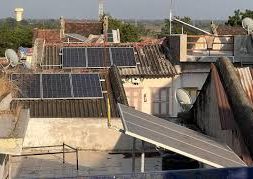
Solar installations across government buildings, institutions, and decentralized locations have contributed substantially to this growth. Rooftop solar systems and small-scale ground-mounted projects have played a crucial role in accelerating capacity addition within a relatively short time frame.
The milestone also highlights improved policy implementation and supportive regulatory frameworks that encourage renewable energy adoption. Incentives, awareness campaigns, and streamlined approvals have enabled faster deployment of solar projects across both public and private sectors.
In addition to environmental benefits, the increase in solar generation contributes to economic efficiency. Reduced dependence on imported power lowers transmission costs and strengthens the state’s overall energy resilience, particularly during peak demand periods.
Tripura’s progress aligns with India’s broader national renewable energy targets and climate commitments. By steadily increasing solar capacity, the state contributes to the country’s mission of expanding clean energy infrastructure and promoting sustainable growth across regions.
The development of solar energy also creates opportunities for local employment in installation, maintenance, and technical services. As renewable projects expand, skill development initiatives are expected to further strengthen the green workforce ecosystem within the state.
Moreover, decentralized solar systems improve electricity access in remote and rural areas, ensuring reliable power supply where grid connectivity may face limitations. This enhances quality of life and supports socio-economic development at the grassroots level.
Overall, crossing the 8 MW solar generation mark represents a foundational step in Tripura’s renewable energy transition. With continued investment, supportive policies, and technological adoption, the state is well-positioned to scale its clean energy capacity and advance toward a more sustainable and self-reliant power future.