




In Short : India is reviewing customs-related benefits for battery energy storage imports under the MOOWR scheme amid concerns over misuse. The move could impact project costs and competitiveness in the renewable sector. Authorities aim to balance investment incentives with fair market practices, while ensuring policy support aligns with domestic manufacturing goals and long-term energy security objectives.
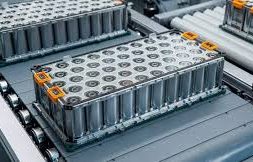
In Detail : India is considering a review of customs-related benefits provided to battery energy storage systems, signaling a potential shift in policy for the rapidly growing sector. The move comes as authorities reassess whether existing incentives are being utilized effectively and in line with broader national objectives.
The review focuses on benefits offered under the Manufacture and Other Operations in Warehouse Regulations (MOOWR) scheme, which allows companies to defer customs duties and taxes on imported goods. This framework has played a key role in lowering upfront costs for developers deploying battery storage systems in India.
However, concerns have emerged within the renewable energy industry regarding the possible misuse of these provisions. Some stakeholders have pointed out that certain developers may be importing fully assembled battery systems under the scheme and deploying them directly in domestic projects, bypassing the intended purpose of the policy.
This situation has raised questions about fairness in the market, as companies using the warehousing route could gain a cost advantage over those importing equipment through standard duty structures. Such disparities may influence competitive bidding outcomes, particularly in renewable-plus-storage projects where pricing is highly sensitive.
Government authorities are now examining these concerns and are expected to initiate consultations with key ministries, including those responsible for power and renewable energy. The goal is to ensure that the policy framework remains balanced and supports both growth and transparency in the sector.
The review comes at a critical time when India is aggressively expanding its renewable energy capacity and increasingly relying on battery storage systems to manage grid stability. Storage solutions are essential for addressing the intermittent nature of solar and wind energy, making policy clarity in this area especially important.
Earlier policy measures, including customs duty exemptions on capital goods for lithium-ion battery manufacturing and storage systems, were introduced to reduce project costs and encourage domestic production. These incentives have helped accelerate investment and build momentum in the energy storage ecosystem.
At the same time, the government has emphasized the importance of promoting domestic manufacturing under initiatives like “Make in India.” Any revisions to import-related benefits are likely to be aligned with this broader objective, ensuring that local industry development is not undermined by excessive reliance on imports.
The outcome of this review could have significant implications for project developers, investors, and manufacturers. Changes in duty structures or eligibility criteria may impact project economics, investment decisions, and the pace of battery storage deployment across the country.
Overall, the move reflects a careful balancing act between encouraging growth in a critical sector and ensuring that policy incentives are used as intended. As India continues its transition toward a cleaner and more resilient energy system, the role of well-calibrated regulatory frameworks will remain crucial in shaping the future of battery storage deployment.