





In Short : India’s renewable energy capacity is projected to reach 359 GW by FY25–30, reflecting strong policy support and rising energy demand. Growth will be driven by solar, wind, and hybrid projects, alongside manufacturing expansion. Increasing electricity consumption, climate factors, and energy security concerns are expected to accelerate investments, positioning India as a major global leader in clean energy development.
In Detail ; India’s renewable energy sector is poised for substantial growth, with projections indicating that total installed capacity could reach 359 gigawatts by FY25–30. This expansion reflects a strong push toward cleaner energy sources as the country seeks to meet rising electricity demand while reducing dependence on fossil fuels.
The projected growth is being driven by a combination of policy support, increasing private sector participation, and global emphasis on energy security. As geopolitical uncertainties reshape energy markets, countries like India are accelerating their transition toward renewable sources to ensure stable and sustainable power supply.
A key factor supporting this expansion is the expected recovery in power demand. After a period of relatively moderate growth, electricity consumption is anticipated to rebound strongly, with projections suggesting around 6% growth by FY27. This increase will require significant additions to generation capacity, particularly from renewable sources.
Weather patterns are also expected to play an important role in shaping energy demand. Forecasts indicate a higher probability of El Niño conditions, which could lead to reduced rainfall. Such conditions typically increase electricity consumption in residential and agricultural sectors due to higher cooling needs and irrigation requirements.
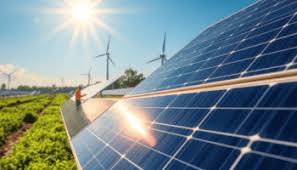
Solar and wind energy are expected to remain the primary drivers of renewable capacity growth. India has already built a strong foundation in these segments, supported by large-scale installations, falling technology costs, and improved project execution capabilities. The continued expansion of hybrid and storage-backed solutions is further enhancing system reliability.
Government initiatives are also playing a crucial role in accelerating renewable adoption. Programs focused on rooftop solar, agricultural solar pumps, and domestic manufacturing are contributing significantly to capacity additions. These initiatives not only support clean energy deployment but also help build a robust domestic supply chain.
At the same time, India is maintaining a balanced approach to energy planning by continuing investments in thermal power. Plans to add additional conventional capacity over the next decade highlight the need to ensure grid stability while renewable penetration increases. This dual strategy reflects the complexities of managing a large and growing energy system.
The expansion of renewable energy capacity is also expected to create significant economic opportunities. Increased investments in infrastructure, manufacturing, and project development will generate employment and drive technological innovation across the energy sector. This growth is aligned with India’s broader economic and sustainability goals.
Overall, the projection of 359 GW of renewable capacity underscores India’s commitment to becoming a global leader in clean energy. With strong policy backing, rising demand, and continued investment, the country is well-positioned to accelerate its transition toward a more sustainable, resilient, and future-ready energy ecosystem.