



Argentina’s Ambassador Applauds Khavda Solar Park’s Vision to Electrify Millions of Indian Homes – EQ


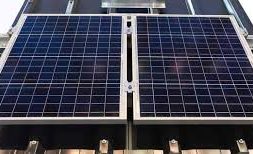

In Short : The Argentina Ambassador to India praised the Khavda Solar Park for its ambitious mission to supply clean power to millions of Indian households. Highlighting its scale and impact, the Ambassador noted that the project symbolizes India’s leadership in renewable energy, strengthens energy security, and showcases how large solar infrastructure can drive sustainable development.
In Detail : The Argentina Ambassador to India has lauded the Khavda Solar Park for its transformative role in India’s renewable energy journey. The project, located in Gujarat, is being developed as one of the world’s largest solar parks and represents a bold step toward meeting India’s rapidly growing electricity demand through clean and sustainable sources.
The Ambassador highlighted that Khavda Solar Park stands as a global example of how large-scale renewable infrastructure can contribute to national development goals. By generating massive amounts of clean electricity, the project is expected to power millions of households while significantly reducing carbon emissions and dependence on fossil fuels.
Khavda Solar Park is strategically important not only because of its size but also because of its location in a region with high solar irradiation and vast land availability. These natural advantages make it ideal for large renewable projects, enabling efficient energy generation and long-term operational sustainability.
The Ambassador emphasized that such projects strengthen India’s energy security by diversifying its power mix and reducing vulnerability to global fuel price volatility. As India’s electricity demand continues to rise due to economic growth and urbanization, large solar parks play a critical role in ensuring stable and affordable energy supply.
From an international perspective, the Ambassador noted that Khavda Solar Park reflects India’s leadership in the global clean energy transition. It demonstrates how developing economies can pursue ambitious climate goals while simultaneously addressing development needs, setting an example for other countries in the Global South.
The project also has significant economic implications. Large renewable installations create employment opportunities during construction and operation, stimulate local economies, and attract investment into surrounding regions. This contributes to inclusive growth while building a future-ready energy infrastructure.
The Ambassador further pointed out that such mega solar projects open avenues for international cooperation. Countries like Argentina, which are also rich in renewable resources and critical minerals, can collaborate with India on technology exchange, investment partnerships, and joint research in clean energy and storage solutions.
Khavda Solar Park also aligns with India’s long-term climate commitments and net-zero ambitions. By expanding renewable capacity at scale, India can reduce greenhouse gas emissions, improve air quality, and strengthen its global standing as a responsible climate actor.
Overall, the Ambassador’s praise underscores the strategic importance of Khavda Solar Park beyond national boundaries. The project is not just a domestic energy initiative but a symbol of India’s growing influence in the global renewable energy landscape and its commitment to building a sustainable and resilient future.
