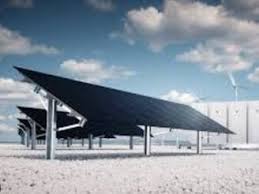






In Short : Delhi is exploring the use of water bodies and drains for deploying floating solar plants, with a pilot project planned at Bawana. The initiative aims to optimize land use while boosting renewable energy generation. By utilizing underused water surfaces, the city seeks to enhance sustainability, reduce evaporation, and advance its clean energy goals through innovative solar solutions.
In Detail : Delhi is actively exploring the deployment of floating solar power plants across its water bodies and drainage systems, marking a progressive step toward innovative renewable energy adoption. This approach is designed to overcome land constraints while maximizing the use of existing urban infrastructure for clean energy generation.
As part of this initiative, a pilot project is being planned in Bawana, an industrial area in the capital. The pilot will serve as a test case to evaluate the technical feasibility, efficiency, and scalability of floating solar installations in urban environments.
Floating solar systems involve installing photovoltaic panels on water surfaces such as reservoirs, lakes, and canals. This method not only generates electricity but also helps reduce water evaporation and limits algae growth, offering additional environmental benefits beyond energy production.
The use of drains and other underutilized water channels presents a unique opportunity for Delhi to expand its solar capacity without competing for scarce land resources. In a densely populated city, such innovative solutions are essential for achieving renewable energy targets.
The pilot project in Bawana is expected to provide valuable insights into operational challenges, maintenance requirements, and performance outcomes. These learnings will be critical for scaling up similar projects across other suitable locations in the city.
From an environmental perspective, floating solar installations can contribute to improved water conservation and reduced carbon emissions. By integrating renewable energy systems into existing water infrastructure, the city can achieve multiple sustainability objectives simultaneously.
The initiative also aligns with broader national goals of increasing renewable energy capacity and promoting sustainable urban development. Cities like Delhi are playing a crucial role in driving innovation and demonstrating practical applications of clean energy technologies.
In addition to environmental benefits, floating solar projects can offer economic advantages by generating power closer to consumption centers. This reduces transmission losses and enhances overall energy efficiency within the urban grid.
Overall, Delhi’s move to explore floating solar on water bodies and drains reflects a forward-thinking approach to urban energy challenges. The pilot at Bawana represents an important step toward creating scalable, space-efficient renewable energy solutions that can be replicated in other cities facing similar constraints.