



Ghaziabad Makes Rooftop Solar and Rainwater Harvesting Mandatory in New Residential Building Plans – EQ





In Short : Ghaziabad has introduced a new regulation requiring rooftop solar systems and rainwater harvesting structures in residential building plans. The initiative aims to promote sustainable urban development, improve water conservation, and encourage clean energy adoption. The policy is expected to reduce pressure on conventional power and groundwater resources while supporting environmentally responsible infrastructure development across the rapidly expanding city.
In Detail : Ghaziabad has introduced a new regulation making rooftop solar installations and rainwater harvesting systems mandatory in residential building plans. The policy has been implemented to encourage environmentally responsible construction practices and ensure that new housing developments contribute to sustainable urban growth while addressing energy and water management challenges.
The directive has been issued by the Ghaziabad Development Authority (GDA), which oversees urban planning and infrastructure development in the city. Under the new rule, residential projects seeking building plan approvals will need to incorporate rooftop solar power systems along with rainwater harvesting mechanisms as part of their construction design.
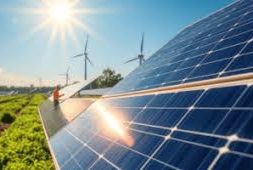
This policy aims to promote the use of renewable energy at the household level while also improving water conservation practices. Rooftop solar installations can help residents generate a portion of their electricity independently, reducing dependence on conventional grid power and lowering electricity expenses over time.
Rainwater harvesting systems, on the other hand, are designed to capture and store rainwater for future use or groundwater recharge. In rapidly growing urban areas where water demand is increasing, such systems can play a crucial role in managing water resources more efficiently and reducing pressure on municipal supply networks.
Urban authorities believe that integrating these sustainability features during the planning stage of construction will make implementation more effective and economical. When incorporated into the initial design of buildings, both solar power systems and water harvesting infrastructure can be installed more efficiently compared to retrofitting existing structures.
The move reflects a growing trend among Indian cities to integrate environmental sustainability into building regulations. Rapid urbanization has increased the demand for electricity and water resources, making it essential for city administrations to adopt policies that encourage conservation and renewable energy adoption.
Rooftop solar power has gained significant attention as a practical solution for distributed energy generation in urban areas. By generating electricity directly where it is consumed, rooftop solar systems can help reduce transmission losses and contribute to the broader expansion of renewable energy capacity.
Similarly, rainwater harvesting can significantly improve groundwater recharge levels and reduce flooding during heavy rainfall. These systems allow rainwater to be collected from rooftops and directed into storage tanks or recharge pits, ensuring that valuable water resources are not wasted.
The new requirement is expected to encourage builders, architects, and homeowners to adopt more sustainable construction practices. Over time, the initiative could help create energy-efficient and water-conscious residential communities while supporting the city’s long-term environmental and infrastructure sustainability goals.
