




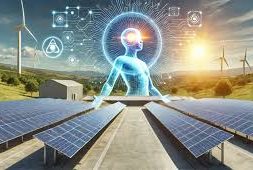




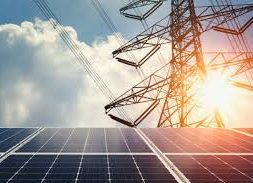
In Short : India is promoting an AI-powered energy stack to accelerate its decentralised solar revolution. By integrating artificial intelligence into planning, forecasting, grid management, and distributed energy systems, the country aims to enhance rooftop solar adoption, improve efficiency, and strengthen grid resilience. The initiative aligns digital innovation with clean energy expansion to support inclusive and sustainable growth.
In Detail : India is advancing the development of an AI-powered energy stack designed to support the rapid expansion of decentralised solar energy systems. As rooftop solar, microgrids, and distributed generation gain momentum, intelligent digital infrastructure is becoming essential to manage growing complexity in the power ecosystem.
The AI-powered energy stack integrates data analytics, machine learning, and real-time monitoring tools into the renewable energy framework. These technologies enable more accurate solar generation forecasting, optimised asset performance, and improved demand-response management at both household and utility levels.
Decentralised solar installations, particularly rooftop systems, are transforming consumers into “prosumers” who both generate and consume electricity. Managing this bidirectional flow of power requires advanced coordination tools that artificial intelligence can effectively provide.
AI-driven platforms can help distribution companies predict load patterns, detect faults, and automate grid-balancing operations. This reduces transmission losses and improves voltage and frequency stability in areas with high rooftop solar penetration.
The energy stack also supports streamlined project implementation. Digital tools can assist in site identification, feasibility analysis, financial modelling, and performance tracking, accelerating the rollout of solar systems across urban and rural regions.
Energy storage integration forms another critical component of the AI framework. Intelligent systems can determine optimal charging and discharging cycles for batteries, enhancing reliability and maximising renewable energy utilisation.
The push for an AI-enabled decentralised solar ecosystem aligns with India’s broader clean energy and digital transformation strategies. Combining renewable expansion with technological innovation strengthens energy security while reducing carbon intensity.
Such initiatives can also support energy access in remote and underserved communities. AI-enabled microgrids and decentralised solutions offer cost-effective and resilient alternatives to conventional grid extension.
Overall, India’s AI-powered energy stack represents a forward-looking approach to the solar revolution. By merging digital intelligence with decentralised renewable energy systems, the country is positioning itself to build a smarter, more resilient, and inclusive clean energy future.
