Mahindra Group to Acquire 26% Stake in Neon Hybren Pvt Ltd for Punjab Captive Solar Project – EQ



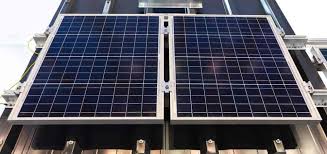
In Short : Mahindra Group will acquire a 26% equity stake in Neon Hybren Pvt Ltd to develop a captive solar power project in Punjab. The investment supports Mahindra’s renewable energy transition and long-term power cost optimization. The project will supply clean electricity for captive consumption, helping reduce carbon emissions, enhance energy security, and align with the company’s sustainability and decarbonization goals.
In Detail : Mahindra Group has announced plans to acquire a 26% equity stake in Neon Hybren Pvt Ltd for the development of a captive solar power project in Punjab. The move forms part of the company’s broader strategy to increase renewable energy usage across its operations while securing long-term power supply at competitive costs. The investment reflects growing corporate participation in captive renewable energy projects.
The proposed captive solar installation is expected to supply clean electricity primarily for Mahindra’s operational facilities. By investing directly in the project, the company aims to reduce reliance on conventional grid power and improve energy cost predictability. Captive arrangements also allow companies to hedge against tariff volatility while ensuring a stable and dedicated power source.
Acquiring a minority stake in a special purpose vehicle is a common structure for captive renewable energy projects. This framework enables industrial consumers to qualify under captive consumption regulations, ensuring they receive electricity at favorable terms. The 26% equity participation aligns with regulatory requirements for captive project ownership and power offtake eligibility.
The Punjab location offers favorable solar irradiation and access to industrial demand centers, making it suitable for captive renewable projects. Additionally, supportive state-level policies and open-access mechanisms have encouraged commercial and industrial consumers to adopt solar energy solutions for long-term sustainability and cost efficiency.
The project is expected to contribute to Mahindra’s decarbonization roadmap by reducing dependence on fossil-fuel-based electricity. Increasing the share of renewable energy in operations helps lower Scope 2 emissions and supports corporate commitments toward carbon neutrality. Such initiatives also enhance environmental performance and ESG reporting metrics.
Captive solar projects are becoming increasingly popular among large industrial groups seeking to control energy expenses. By locking in solar power tariffs for long durations, companies can improve financial planning and protect themselves from fluctuations in grid electricity prices. This also supports operational resilience during periods of high demand.
The partnership with Neon Hybren Pvt Ltd brings together project development expertise and long-term power consumption capability. Renewable energy developers typically handle design, construction, and operation, while corporate consumers secure reliable clean power supply through equity participation and power purchase arrangements.
The initiative also supports India’s broader clean energy transition by encouraging private sector investment in renewable infrastructure. Corporate-led captive solar installations reduce grid stress, add green capacity, and accelerate adoption of sustainable power sources across industrial clusters.
Overall, Mahindra’s planned stake acquisition highlights the increasing momentum in corporate renewable energy procurement. With the Punjab captive solar project, the company aims to strengthen energy security, lower emissions, and optimize electricity costs, while reinforcing its commitment to sustainable operations and long-term clean energy adoption.