










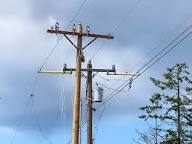


In Short : Consumers may soon be able to buy and sell electricity directly among themselves through peer-to-peer power trading systems. The model allows households and businesses with surplus renewable energy to trade power with others, improving energy efficiency, lowering costs, and creating a more decentralized, consumer-driven electricity market supported by digital platforms and smart grid technologies.
In Detail : The power sector is on the verge of a major transformation as consumers are expected to gain the ability to buy and sell electricity directly among themselves. This emerging model, known as peer-to-peer power trading, shifts the traditional role of consumers from passive users to active participants in the electricity market.
Under this system, households and businesses that generate surplus electricity, particularly from rooftop solar or other renewable sources, can sell excess power to nearby consumers. Instead of feeding unused electricity back into the grid at fixed tariffs, producers can trade energy at mutually agreed prices.
Digital platforms and smart grid technologies form the backbone of peer-to-peer electricity trading. Smart meters, blockchain-based systems, and automated billing mechanisms enable real-time tracking, transparent transactions, and secure settlements between buyers and sellers.
This model offers significant financial benefits for both sides. Producers can earn additional income from surplus generation, while buyers may access cheaper electricity compared to conventional retail tariffs offered by distribution companies.
Peer-to-peer trading also supports the growth of distributed renewable energy by improving project viability. When consumers are rewarded directly for clean energy generation, investment in rooftop solar and small-scale renewable systems becomes more attractive.
From a grid perspective, localized trading reduces transmission losses and eases pressure on centralized power infrastructure. Electricity is consumed closer to where it is generated, improving system efficiency and reducing the need for large-scale power transfers.
The concept also encourages energy awareness and responsible consumption. With access to real-time pricing and usage data, consumers are more likely to adjust consumption patterns and adopt energy-efficient practices.
Regulatory frameworks are gradually evolving to accommodate this new model. Policymakers are exploring mechanisms to ensure fair market access, grid stability, consumer protection, and proper integration with existing utility systems.
Overall, peer-to-peer electricity trading represents a fundamental shift in how power markets operate. It promotes decentralization, empowers consumers, accelerates renewable adoption, and paves the way for a more flexible, resilient, and consumer-centric energy ecosystem.
