
In Short : Cooperation with neighbouring countries in the power sector enhances energy security, optimizes resource utilization, and supports sustainable development. Cross-border electricity trade, shared transmission infrastructure, hydropower partnerships, and renewable energy integration enable reliable supply and cost efficiency. Regional collaboration reduces shortages, balances seasonal demand, and promotes clean energy growth while strengthening diplomatic and […]



ELECTRICITY GENERATION FROM NON-CONVENTIONAL SOURCES – EQ
In Short : Electricity generation from non-conventional sources such as solar, wind, biomass, small hydro, geothermal, and tidal power is rapidly transforming the global energy mix. These technologies reduce dependence on fossil fuels, cut emissions, enhance energy security, and support decentralized supply. Falling costs, supportive policies, and innovation are accelerating deployment, making renewable electricity a […]
Petition for Adoption of Tariff for the ISTS Grid connected Solar Power projects of 1200 MW with “Greenshoe Option” by Ministry of Power, Govt. of India (NHPC Tranche-IX) – EQ

Summary: —- ### **Key Findings & Decisions by the Commission** 1. **Tariff Adoption (Modified):** – The Commission **adopted the discovered tariffs** but **reduced the total capacity** from 2,170 MW to **1,670 MW**. – **Reasoning:** Concern over the “Greenshoe Option” process lacking explicit provisions in the central guidelines, raising issues of transparency and equal treatment of […]
Petition for Adoption of Tariff of 1200 MW ISTS Grid connected Wind – Solar Hybrid Power projects on anywhere in India with “Green-Shoe Option” by Ministry of Power – EQ
Summary: — ### Green-Shoe Option Allocation NHPC offered an **additional 1,200 MW** under the Green-Shoe Option at the L1 tariff (₹3.41/kWh). The allocation proceeded as follows: | Round | Bidder | Allocation (MW) | |——-|——–|—————-| | **First Round** | Adani | 600 | | | Avaada | 210 | | | Sprng & Illuminate | […]
POWER DISTRIBUTION REFORMS AND FINANCIAL SUSTAINABILITY OF DISCOMS – EQ
In Short : Power distribution reforms are crucial for improving the financial sustainability of DISCOMs amid rising demand and operational challenges. Measures such as tariff rationalization, loss reduction, smart metering, and subsidy transparency are being implemented. These reforms aim to enhance revenue realization, reduce debt burdens, and improve service quality, enabling distribution utilities to support […]
IMPACT OF INCREASING RENEWABLE ENERGY PENETRATION ON GRID STABILITY – EQ

In Short : Rising renewable energy penetration is transforming power systems while creating new grid stability challenges. Variability from solar and wind generation affects frequency control, voltage management, and demand-supply balance. Grid modernization, flexible generation, storage deployment, and advanced forecasting are becoming essential to maintain reliability. Proper planning and smart grid technologies can ensure stable […]
DEVELOPMENT OF BATTERY ENERGY STORAGE SYSTEMS – EQ
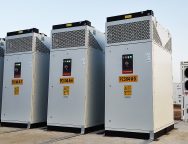
In Short : Battery Energy Storage Systems are rapidly emerging as critical infrastructure for integrating renewable energy, improving grid stability, and enhancing energy security. Advancements in battery technology, falling costs, and supportive policies are driving large-scale deployment worldwide. BESS solutions enable peak shaving, renewable firming, and backup power, helping utilities and industries transition toward reliable, […]
Initiatives to achieve uninterrupted power supply across the country – EQ
In Short : Achieving uninterrupted power supply requires strengthening generation capacity, modernizing transmission networks, and improving distribution efficiency. Investments in renewable energy, storage systems, smart grids, and grid automation help balance demand and supply. Policy reforms, digital monitoring, and infrastructure upgrades reduce outages and losses, ensuring reliable electricity access across urban and rural regions while […]
STRENGTHENING TRANSMISSION INFRASTRUCTURE FOR INTEGRATION OF RENEWABLE ENERGY – EQ
In Short : Expanding renewable energy capacity requires robust transmission infrastructure capable of handling variable power generation and long-distance electricity flow. Strengthening grids, deploying smart technologies, and building high-capacity corridors are essential to integrate solar and wind efficiently. Strategic planning, investment, and policy support will ensure reliability, reduce curtailment, and enable seamless delivery of clean […]
Union Power Minister Inaugurates Prakriti 2026 & Launches Indian Carbon Market Portal, Reinforces India’s Climate Commitments – EQ
In Short : Union Power Minister inaugurated Prakriti 2026 and launched the Indian Carbon Market Portal, marking a significant step toward operationalizing India’s carbon trading framework. The initiative aims to enhance transparency, enable carbon credit trading, and support emission reduction targets. The move reinforces India’s climate commitments while encouraging industry participation, mobilizing green investments, and […]