



In Short : Nagpur recorded a peak power demand of 821 MW amid an intense heatwave, highlighting rising electricity consumption and pressure on urban infrastructure. Increased cooling needs and temperature spikes drove the surge, exposing grid constraints. The situation underscores the urgency for capacity upgrades, demand management, and resilient power systems to handle extreme weather conditions effectively.
In Detail : Nagpur has witnessed a record-breaking power demand of 821 MW, driven largely by an ongoing heatwave that has significantly increased electricity consumption across residential, commercial, and industrial sectors. The surge reflects how extreme weather conditions can rapidly push urban energy systems to their limits, especially during peak summer periods.
The sharp rise in temperatures has led to a substantial increase in the use of cooling appliances such as air conditioners, coolers, and refrigeration systems. Households and businesses alike are relying heavily on these devices to cope with the heat, resulting in a spike in electricity demand that surpasses previous records.
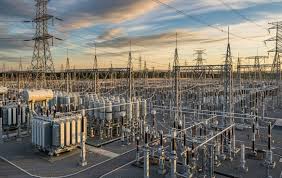
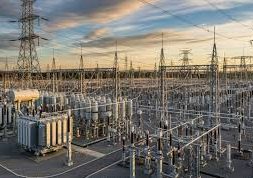
Such unprecedented demand places considerable strain on existing power infrastructure. Distribution networks, transformers, and substations are required to operate at near-maximum capacity, increasing the risk of outages, voltage fluctuations, and equipment failures. This situation highlights the vulnerability of urban grids under extreme load conditions.
The current scenario also underscores the growing impact of climate variability on energy consumption patterns. As heatwaves become more frequent and intense, cities like Nagpur are likely to experience repeated surges in electricity demand, necessitating proactive planning and infrastructure upgrades.
Power utilities are often forced to adopt short-term measures to manage such demand spikes, including load balancing, demand-side management, and emergency maintenance. While these interventions help maintain supply stability, they may not be sufficient to address long-term structural challenges.
Another critical aspect is the need for enhanced grid resilience. Investments in modern technologies such as smart grids, automated monitoring systems, and predictive maintenance can help utilities better manage peak loads and respond quickly to potential disruptions.
Renewable energy integration can also play a supportive role in managing peak demand. Rooftop solar installations, for instance, can reduce the burden on the grid during daytime hours when sunlight is abundant and cooling demand is at its highest.
At the policy level, there is a growing need to promote energy efficiency and demand-side interventions. Encouraging the use of energy-efficient appliances, implementing time-of-day tariffs, and raising consumer awareness can help moderate demand during peak periods.
Overall, the record power demand in Nagpur serves as a clear signal of the challenges posed by rising temperatures and urbanization. It emphasizes the importance of building a more robust, flexible, and future-ready power infrastructure capable of withstanding extreme conditions while ensuring reliable electricity supply.