





In Short : Countries worldwide are accelerating their transition away from fossil fuels by adopting renewable and alternative energy sources such as solar, wind, and geothermal. This shift is driven by climate goals, energy security concerns, and technological advancements. From harnessing sunlight to tapping underground heat, nations are reshaping energy systems to build cleaner, more sustainable, and resilient economies for the future.
In Detail : Across the globe, nations are actively rethinking their energy strategies as they move away from fossil fuels toward cleaner and more sustainable alternatives. This transition is being driven by a combination of environmental concerns, economic priorities, and the urgent need to address climate change, which has intensified the focus on reducing carbon emissions.
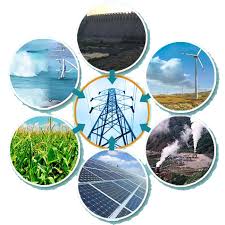
One of the most visible aspects of this transformation is the rapid expansion of solar and wind energy. Advances in technology have significantly reduced the cost of these renewable sources, making them more competitive with traditional fossil fuels. As a result, many countries are investing heavily in large-scale solar parks and wind farms to meet their growing energy needs.
Beyond surface-level renewables, countries are also exploring energy solutions beneath the earth’s surface. Geothermal energy, which taps into the natural heat stored within the earth, is gaining traction as a reliable and continuous source of power. Unlike solar and wind, geothermal energy can provide baseload electricity, making it an important component of a balanced energy mix.
Energy storage technologies are playing a crucial role in supporting this transition. Since renewable sources like solar and wind are intermittent, the ability to store energy for use during periods of low generation is essential. Innovations in battery storage and other technologies are helping to stabilize grids and ensure consistent power supply.
Hydrogen is emerging as another promising alternative, particularly for sectors that are difficult to electrify. Green hydrogen, produced using renewable energy, is being explored as a clean fuel for industries such as steel, transportation, and heavy manufacturing, offering a pathway to decarbonize traditionally high-emission sectors.
Governments are also implementing policies and incentives to accelerate the shift away from fossil fuels. These include subsidies for renewable energy projects, carbon pricing mechanisms, and regulations aimed at reducing emissions. Such measures are creating a supportive environment for investment and innovation in clean energy technologies.
Energy security has become a major factor influencing this transition. By reducing dependence on imported fossil fuels, countries can enhance their energy independence and protect themselves from price volatility and geopolitical risks. Renewable energy sources, which are often locally available, provide a more stable and predictable energy supply.
At the same time, the transition presents challenges, including the need for significant investment in infrastructure and the management of economic impacts on industries and communities dependent on fossil fuels. Ensuring a just transition that supports workers and regions affected by this shift is a critical consideration for policymakers.
Overall, the move from fossil fuels to a diverse mix of renewable and alternative energy sources represents a fundamental transformation of the global energy landscape. By harnessing both natural resources above ground and beneath it, countries are building cleaner, more resilient energy systems that align with long-term sustainability and climate goals.