





In Short : Odisha has emerged as the top performer in India’s rooftop solar scheme, showcasing rapid adoption of decentralized renewable energy. The achievement reflects effective policy implementation, consumer awareness, and supportive infrastructure. The state’s progress highlights the growing importance of rooftop solar in reducing grid dependence, lowering electricity costs, and accelerating India’s clean energy transition at the grassroots level.
In Detail : Odisha has taken the lead in India’s rooftop solar scheme, marking a significant milestone in the country’s push toward decentralized renewable energy adoption. The state’s strong performance reflects a combination of proactive governance, efficient execution, and growing consumer participation in clean energy initiatives.
The success of rooftop solar in Odisha is largely attributed to streamlined policy implementation and effective coordination between government agencies and distribution companies. Simplified procedures, faster approvals, and targeted incentives have made it easier for households and businesses to install solar systems on their rooftops.
A key factor driving adoption has been increased awareness among consumers about the benefits of rooftop solar. From reduced electricity bills to long-term savings and environmental advantages, more individuals and organizations are recognizing the value of generating their own clean power.
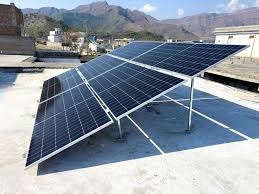
Rooftop solar systems play a crucial role in reducing dependence on centralized power generation. By producing electricity at the point of consumption, these systems help minimize transmission losses and ease pressure on the grid, especially during peak demand periods.
The financial benefits associated with rooftop solar have also contributed to its popularity. Net metering policies and government subsidies have made installations more affordable, enabling a wider section of society to participate in the transition toward renewable energy.
Odisha’s achievement highlights the importance of decentralized energy solutions in achieving national renewable energy targets. While large-scale solar projects remain essential, rooftop installations offer a complementary approach that can be scaled rapidly across urban and semi-urban areas.
The growth of rooftop solar in the state is also expected to create new opportunities in the local economy. Installation, maintenance, and related services can generate employment and support the development of a robust clean energy ecosystem.
Despite the progress, there are still challenges to address, including financing barriers, technical integration with existing grids, and ensuring quality standards across installations. Continued policy support and innovation will be essential to sustain growth and overcome these hurdles.
Overall, Odisha’s leadership in the rooftop solar scheme sets a strong example for other states to follow. By demonstrating how effective policies and public participation can drive adoption, the state is contributing significantly to India’s broader clean energy transition and paving the way for a more sustainable energy future.