



Telangana Charts Vision for 139 GW Power Capacity to Support $3 Trillion Economic Goal by 2047 – EQ





In Short : Telangana has set an ambitious target of achieving 139 GW of power generation capacity by 2047 to support its vision of building a $3 trillion economy. The strategy focuses on expanding renewable energy, strengthening grid infrastructure, improving energy efficiency, and ensuring reliable power supply to drive industrial growth, urban development, and long-term economic sustainability.
In Detail : Telangana has outlined a long-term energy roadmap aimed at achieving 139 GW of installed power generation capacity by 2047, aligning with its broader vision of becoming a $3 trillion economy. This ambitious target reflects the state’s recognition that reliable and affordable electricity is a fundamental driver of economic growth, industrial competitiveness, and social development.
Rapid industrialization, urban expansion, digital transformation, and rising living standards are expected to significantly increase electricity demand in the coming decades. Sectors such as manufacturing, information technology, electric mobility, data centers, and infrastructure development will place growing pressure on the power system, making large-scale capacity expansion a strategic necessity.
Renewable energy is expected to form a major component of Telangana’s future power mix. The state plans to scale up solar, wind, and other clean energy sources to reduce dependence on fossil fuels and meet sustainability goals. This transition also aligns with national climate commitments and supports the shift toward a low-carbon development pathway.
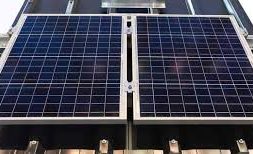
Solar energy is likely to play a dominant role due to Telangana’s strong solar potential and favorable geographic conditions. Utility-scale solar parks, rooftop installations, and distributed generation systems are expected to expand rapidly, contributing significantly to the state’s long-term capacity targets and improving energy access across urban and rural areas.
In parallel, the state is expected to invest heavily in grid infrastructure and transmission capacity. Upgrading substations, expanding transmission corridors, and deploying smart grid technologies will be essential to handle higher power flows and integrate large volumes of renewable energy into the system efficiently and reliably.
Energy storage and flexible generation resources will also become increasingly important in achieving the 139 GW target. As renewable penetration rises, battery storage systems and hybrid projects will help balance supply and demand, manage intermittency, and ensure round-the-clock power availability for critical sectors.
From an economic perspective, the expansion of power capacity will act as a catalyst for industrial growth and investment. Reliable electricity supply reduces operational risks for businesses, attracts domestic and foreign investors, and supports the development of energy-intensive industries such as manufacturing, logistics, and digital services.
Policy support and regulatory reforms will play a key role in realizing this vision. Long-term planning, investor-friendly policies, transparent tariff mechanisms, and public-private partnerships will be necessary to mobilize capital and accelerate project development across conventional and renewable energy segments.
Overall, Telangana’s target of 139 GW power generation capacity by 2047 reflects a forward-looking and growth-oriented energy strategy. By aligning power sector development with economic ambitions, the state is positioning itself to build a resilient, sustainable, and globally competitive economy powered by a modern and diversified energy system.
