



Gujarat Government Considers Transition to Full EV Fleet, Signaling Major Shift Away from Fossil Fuels – EQ






In Short : The Gujarat government is exploring a complete transition to an electric vehicle fleet, marking a decisive step toward reducing fossil fuel dependence and advancing clean mobility. The move aligns with India’s broader decarbonization goals, promoting sustainable transportation, lowering emissions, and supporting the state’s expanding EV manufacturing ecosystem, which has become a key driver of economic and environmental transformation.
In Detail : The Gujarat government’s consideration of shifting entirely to electric vehicles represents a bold vision for the future of public and official transportation. This transition is part of the state’s long-term sustainability roadmap, designed to cut vehicular emissions, reduce fuel costs, and promote mass adoption of cleaner mobility technologies. Such a move reinforces Gujarat’s role as a national leader in renewable and low-carbon initiatives.
The state has been actively developing policies that support EV adoption, including incentives for manufacturers, subsidies for consumers, and infrastructure development for charging networks. The government’s evaluation of a complete EV fleet comes on the back of these successes, signaling confidence in the state’s readiness to support widespread electric mobility. This step is expected to set a precedent for other states planning similar transitions.
If implemented, the shift to EVs would cover government departments, public agencies, and various state-run institutions. Replacing existing vehicles with electric alternatives would lead to significant reductions in operating costs, as EVs offer lower maintenance and fuel expenses compared to conventional internal combustion engine vehicles. The transition would also help reduce environmental pollution in urban areas.
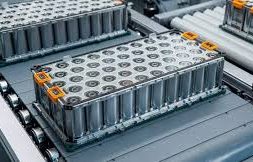
Gujarat’s growing EV manufacturing ecosystem strengthens the feasibility of this transition. With major automakers, component suppliers, and battery manufacturers already investing in the state, the shift to an EV fleet would stimulate local industry growth, create jobs, and boost domestic production capacity. The move aligns with India’s Atmanirbhar Bharat objective of strengthening self-reliant clean technology industries.
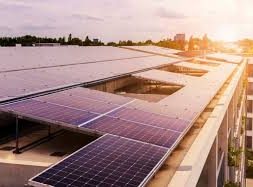
Charging infrastructure will be a key focus area as the state plans its mobility transformation. Gujarat is already expanding public and private charging stations across major cities, highways, and government premises. Integrating renewable energy-based charging solutions could further enhance the sustainability of the EV ecosystem, reducing the overall carbon footprint of transportation.
The potential move also supports national climate commitments under the Paris Agreement and India’s goal of achieving net-zero emissions by 2070. By reducing reliance on fossil fuels, Gujarat contributes to lowering greenhouse gas emissions and sets an example for other states to adopt aggressive clean mobility reforms that support long-term environmental sustainability.
Overall, Gujarat’s consideration of fully transitioning to an electric vehicle fleet represents a major step toward clean, modern, and sustainable transportation. The initiative promises economic, environmental, and technological benefits while strengthening the state’s leadership in India’s EV revolution. If carried forward, it would mark a historic shift in public-sector mobility and accelerate India’s journey toward a greener future.
