



Karnataka Revises Power Tariffs for 2025–26, Industries Brace for Higher Electricity Costs – EQ







In Short : Karnataka has approved a revised electricity tariff structure for 2025–26, leading to higher power costs for industrial consumers. The new rates are expected to increase operational expenses for businesses while helping utilities recover rising power procurement and infrastructure costs. The decision reflects ongoing efforts to balance financial sustainability of the power sector with growing electricity demand across the state.
In Detail : Karnataka has introduced revised electricity tariffs for the financial year 2025–26, resulting in increased power costs for industrial consumers across the state. The new tariff structure reflects adjustments made to address the financial requirements of the electricity distribution sector while maintaining reliable power supply for various consumer categories.
The tariff revision primarily impacts industrial and commercial users who consume large amounts of electricity for manufacturing, production, and operational activities. These sectors often rely heavily on continuous power supply, which means that even small tariff increases can significantly affect overall operational costs and energy expenditures.
Electricity tariff revisions are typically undertaken to help utilities recover rising costs associated with power procurement, infrastructure maintenance, and grid expansion. As electricity demand continues to grow, distribution companies must invest in strengthening transmission and distribution networks to ensure stable and uninterrupted supply.
For industries operating in Karnataka, the increase in power tariffs may lead to higher production costs. Manufacturing companies, particularly those in energy-intensive sectors such as metals, chemicals, textiles, and engineering, could experience financial pressure as electricity expenses represent a substantial portion of their operating budgets.
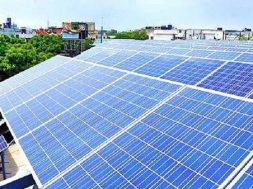
Businesses may respond to the tariff revision by exploring energy efficiency measures and alternative power sources to manage rising electricity expenses. Some industries have already begun investing in captive renewable energy systems, including solar power installations, to reduce long-term dependence on grid electricity.
At the same time, the revised tariff structure aims to support the financial stability of the power sector. Distribution companies require sufficient revenue to maintain infrastructure, invest in system upgrades, and ensure reliable electricity supply for households, businesses, and public institutions across the state.
Karnataka’s electricity demand has been increasing steadily due to industrial growth, urbanization, and expanding commercial activity. Meeting this demand requires continuous investments in generation capacity, transmission lines, substations, and distribution networks, which contribute to the overall cost of delivering electricity.
The tariff adjustment also reflects the broader challenge faced by power utilities in balancing affordability for consumers with the financial sustainability of electricity providers. Ensuring stable power supply while managing operational costs remains a complex task for regulators and energy authorities.
While the tariff increase may create short-term financial pressure for industries, it also highlights the importance of improving energy efficiency and adopting cleaner energy solutions. Over the long term, investments in renewable energy, efficient technologies, and modern grid infrastructure may help industries reduce energy costs and contribute to a more sustainable energy ecosystem.
