Andhra Pradesh to Lead India’s Solar Manufacturing Boom with First 6 GW Ingot-Wafer Facility – EQ




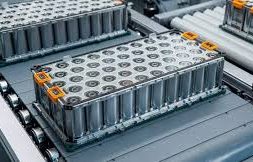




In Short : Andhra Pradesh is set to host India’s first 6 GW solar ingot-wafer manufacturing unit, marking a major milestone in domestic solar manufacturing. The facility will strengthen India’s PV supply chain, reduce import dependence, and support rapid expansion of renewable energy capacity. This development positions Andhra Pradesh as a key hub for advanced solar manufacturing and clean energy growth.
In Detail : Andhra Pradesh’s upcoming 6 GW solar ingot-wafer unit represents a transformative moment for India’s renewable energy sector. As the first facility of its scale in the country, it strengthens the domestic manufacturing ecosystem and supports the government’s push toward self-reliance in solar technology under initiatives like Make in India and Atmanirbhar Bharat.
The ingot-wafer stage is one of the most critical components of the solar PV value chain, traditionally dominated by global suppliers. Establishing this unit in Andhra Pradesh reduces India’s dependence on imports, particularly from East Asian markets, and helps create a complete, end-to-end domestic manufacturing capability for solar panels.
This mega facility will boost India’s ability to produce high-quality wafers used in modern photovoltaic modules. With advanced technology and large-scale production, the unit is expected to improve efficiency, lower costs, and ensure steady supply for downstream cell and module manufacturers across the country.
The project also positions Andhra Pradesh as a major renewable energy manufacturing hub. With its strong logistical advantages, business-friendly policies, and abundant renewable energy resources, the state offers ideal conditions for large-scale solar infrastructure development. The new unit is expected to attract additional investments in ancillary industries.
One of the key outcomes of this initiative will be strengthening India’s solar supply chain resilience. By reducing import vulnerabilities and ensuring local availability of critical components, the project enhances energy security and supports India’s ambitions of achieving 500 GW of renewable capacity by 2030.
The establishment of the 6 GW unit will also generate significant employment opportunities. From construction to highly skilled roles in technology, operations, and quality control, the facility will contribute to economic growth while nurturing specialized talent in advanced solar manufacturing.
In addition to boosting manufacturing capacity, the project will foster innovation and technology adoption. With advanced ingot casting and wafer-cutting technologies, the unit is expected to produce high-efficiency wafers suitable for next-generation solar cells, supporting rapid advances in module performance.
The facility’s development will further encourage collaboration between government, industry, and research institutions. Partnerships in material science, automation, and renewable energy engineering can drive innovation and strengthen India’s long-term competitiveness in the global solar market.
Overall, Andhra Pradesh’s 6 GW solar ingot-wafer unit is poised to reshape India’s solar manufacturing landscape. By enabling domestic production of a crucial component, attracting investment, and supporting large-scale clean energy goals, it marks a major leap toward a more self-reliant, sustainable, and globally competitive renewable energy future.