



Electric Mobility Key to Achieving India’s Net-Zero Target by 2070, Says HD Kumaraswamy – EQ




In Short : Electric mobility will play a decisive role in India’s journey toward achieving net-zero emissions by 2070, according to Union Minister HD Kumaraswamy. Emphasizing cleaner transportation as a national priority, he highlighted the need for accelerated EV adoption, domestic manufacturing, and supportive policies to reduce emissions and strengthen India’s sustainable growth pathway.
In Detail : Electric mobility has been identified as a cornerstone of India’s long-term climate strategy, with Union Minister HD Kumaraswamy emphasizing its critical role in achieving the country’s net-zero emissions target by 2070. The statement reinforces the government’s focus on transforming the transportation sector to support climate commitments.
The transport sector is one of the largest contributors to greenhouse gas emissions in India, making electrification a key lever for decarbonization. Transitioning from internal combustion engines to electric vehicles can significantly cut emissions while reducing dependence on imported fossil fuels.
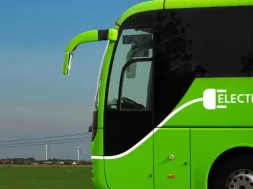
The minister highlighted that electric mobility is not limited to private vehicles alone but extends across public transport, commercial fleets, and last-mile connectivity solutions. Electric buses, two-wheelers, and three-wheelers are expected to play a particularly important role in reducing urban pollution.
Domestic manufacturing of electric vehicles and components was emphasized as a critical enabler of this transition. Strengthening local production capacity can lower costs, enhance supply chain resilience, and create employment opportunities aligned with India’s clean energy ambitions.
Charging infrastructure development was also identified as a priority area. A robust and accessible charging network is essential to address range anxiety and support widespread EV adoption across urban and rural regions alike.
Policy support and regulatory clarity were underscored as essential for sustaining momentum in the electric mobility sector. Long-term incentives, stable regulations, and coordinated implementation can help attract private investment and accelerate market growth.
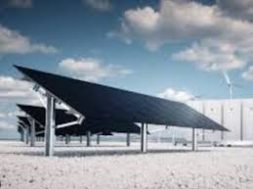
The integration of electric mobility with renewable energy was highlighted as a key strategy to maximize environmental benefits. Charging EVs with clean power ensures that emission reductions are realized across the entire energy value chain.
The transition to electric mobility is also expected to deliver economic benefits by lowering operating costs for consumers and businesses. Reduced fuel expenses and lower maintenance requirements make EVs an increasingly attractive alternative over conventional vehicles.
By placing electric mobility at the center of its net-zero roadmap, India aims to balance economic development with environmental responsibility. The emphasis on cleaner transportation reflects a broader commitment to sustainable growth and a resilient, low-carbon future by 2070.
