



Energy Diversification Positioned as Central Pillar of India’s Long-Term Energy Strategy – EQ





In Short : The Ministry of External Affairs has highlighted energy diversification as a core element of India’s strategic approach to ensuring energy security and sustainable growth. By expanding the energy mix across renewables, conventional fuels, and emerging technologies, India aims to reduce risks, strengthen resilience, and support its long-term climate and development objectives.
In Detail : The Ministry of External Affairs has underlined energy diversification as a fundamental pillar of India’s long-term energy and foreign policy strategy. This approach reflects the country’s efforts to balance energy security, economic growth, and climate commitments in an increasingly complex global environment.
Energy diversification is seen as essential for reducing India’s dependence on any single source or region for energy supplies. By broadening its energy portfolio, India aims to mitigate geopolitical risks, price volatility, and supply disruptions that can impact economic stability.
Renewable energy plays a central role in this strategy, with solar, wind, hydropower, and bioenergy contributing to a steadily increasing share of the national energy mix. These sources not only support decarbonisation but also enhance domestic energy self-reliance.
At the same time, India continues to engage globally for conventional energy resources such as oil and gas, ensuring stable and diversified import channels. Strategic partnerships with energy-producing nations are viewed as critical for maintaining supply security during the transition phase.
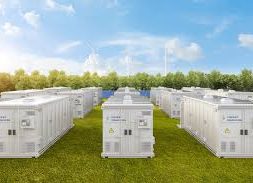
Emerging technologies such as green hydrogen, energy storage, and carbon capture are also being integrated into India’s diversification framework. These technologies are expected to play a key role in enabling deep decarbonisation across hard-to-abate sectors.
From a diplomatic perspective, energy diversification strengthens India’s global engagement by fostering cooperation in clean energy, technology transfer, and sustainable infrastructure. It also positions India as an active participant in shaping future global energy systems.
The strategy emphasises the importance of building resilient energy infrastructure, including transmission networks, digital energy platforms, and cross-border connectivity. Such investments are necessary to support a diversified and flexible energy system.
Energy diversification is also closely linked to economic development and job creation. Expanding renewable and clean energy sectors can stimulate new industries, attract investment, and generate employment opportunities across regions.
Overall, the MEA’s emphasis on energy diversification reflects a holistic approach to national development. By pursuing a balanced and forward-looking energy mix, India seeks to achieve energy security, climate resilience, and sustainable growth in a rapidly evolving global energy landscape.
